


Hey everyone, my name is Guillermo Flor and I’m an entrepreneur and Venture Capitalist.
Sequoia recently hosted their annual AI Summit: AI Ascent, probably one of the most important AI events in the year.
They brought together more than 150 leading founders and researchers in AI, including Demis Hassabis, Andrej Karpathy, Greg Brockman, Boris Cherny of Anthropic, Dmitri Dolgov of Waymo, Jim Fan of Nvidia, and many more.
I broke down what Andrej Karpathy shared last week.
Today, I want to share my breakdown of Sequoia’s analysis for the future of AI.
👋 Just a quick note before you continue!
Building great AI systems and agents is quickly becoming one of the most important advantages a company can have. So we’ve been building non-stop and this will become a much bigger part of AIMF and PMF going forward.
From now on, as a PMF + AI subscriber, you’ll get access not just to the best resources on fundraising and growth (160+ Playbooks, 65+ Success Stories, 30+ Pitch Deck Collections, 25+ Investor Resources), but also:
🤖 3+ New AI agent Templates Every Week
📚 A Growing Library of 20+ AI Agents
Here, few examples:

We’re already 70,000+ founders and operators inside.
PART ONE — PAT GRADY: CALIBRATION
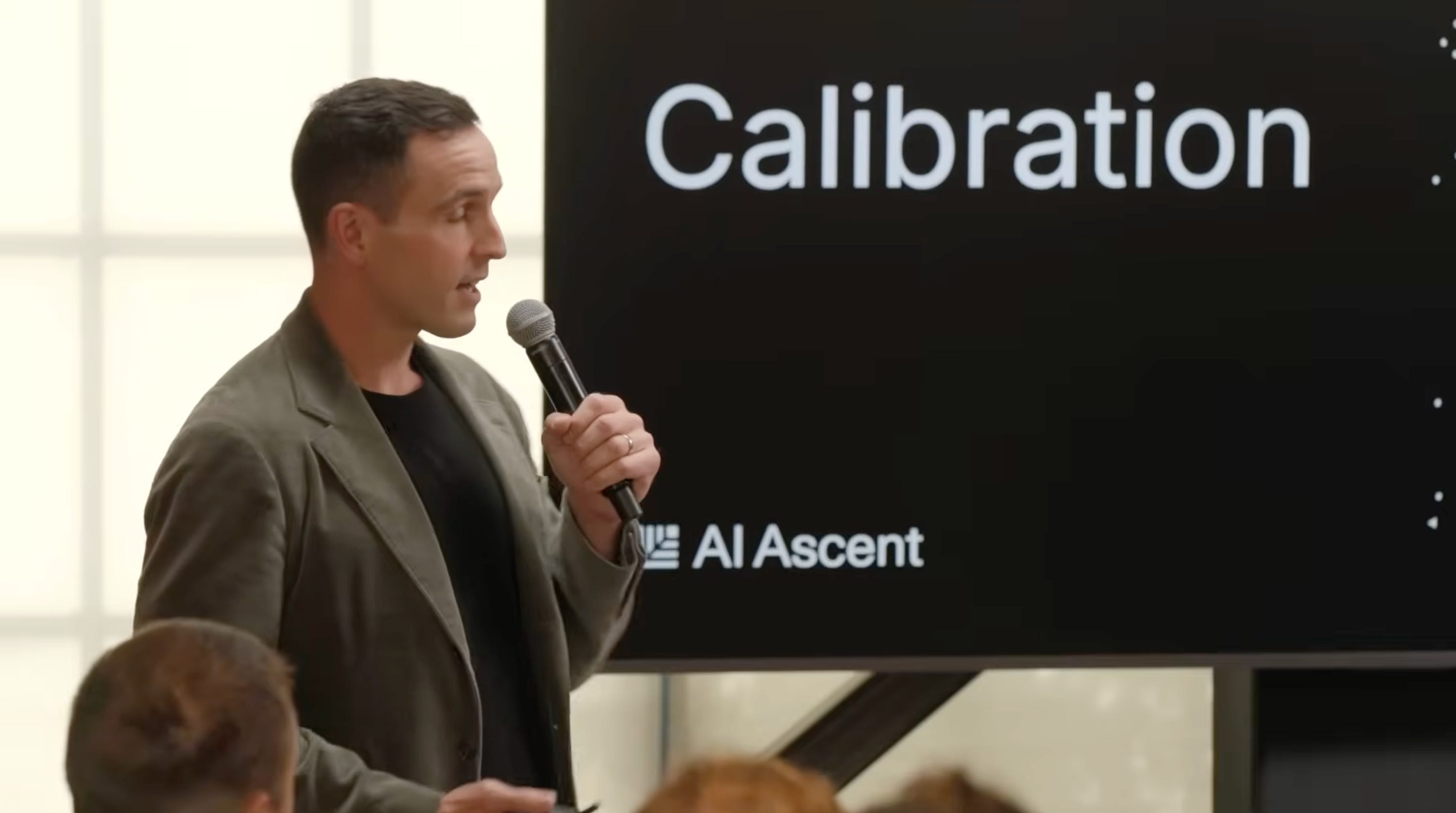
1. The Waves of Technology
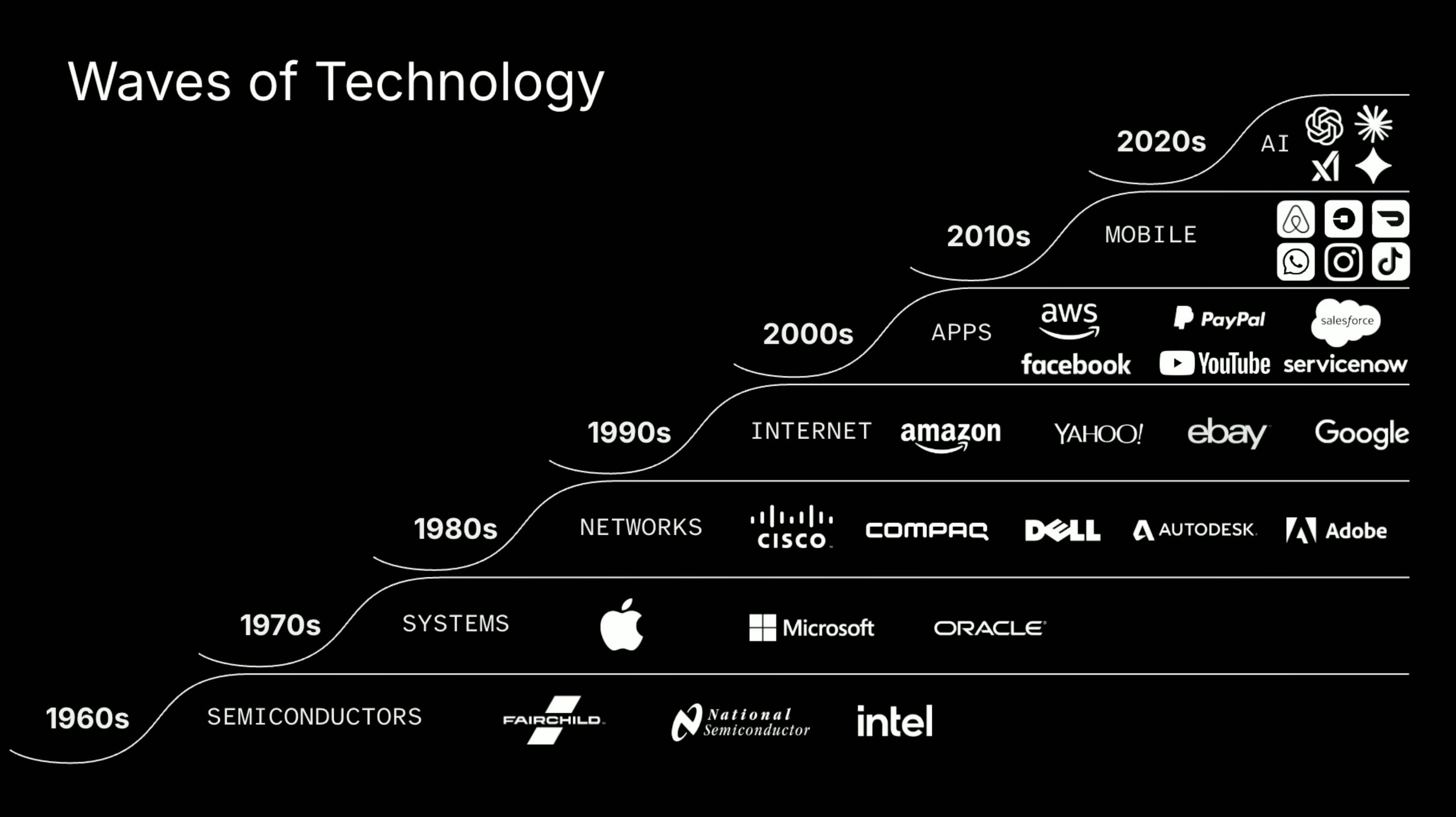
Modern technology has come in layered waves, each building on the one before.
Silicon-based transistors gave Silicon Valley its name.
Transistors were assembled into systems.
Systems were connected by networks.
Networks went public as the internet.
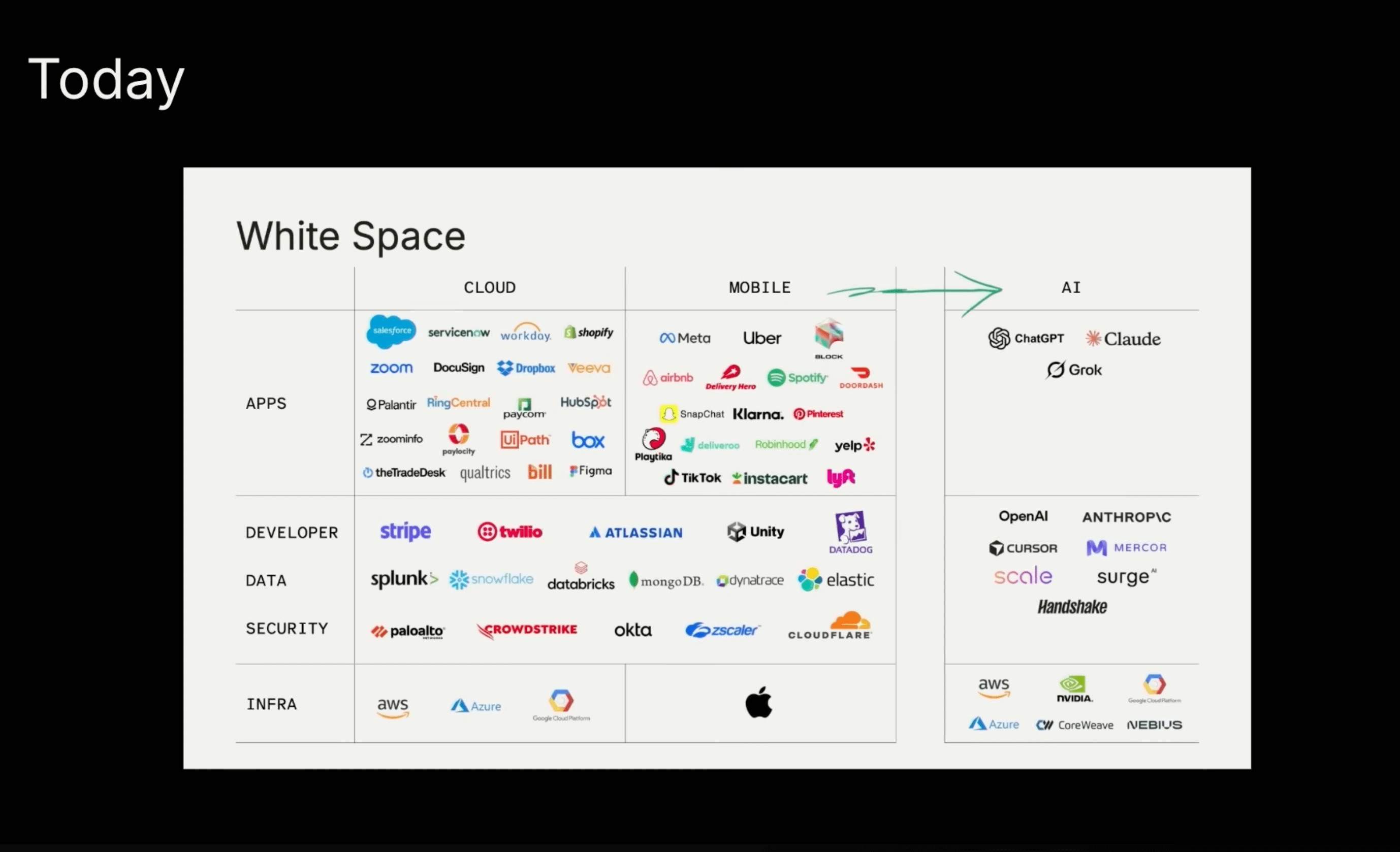
The internet supported applications like social media in the cloud.
The cloud reached our pockets through mobile devices.
Today all of those layers power something indistinguishable from magic: artificial intelligence.
All of these waves are additive.
This AI wave is different in 3 ways:
1. It’s the biggest one yet
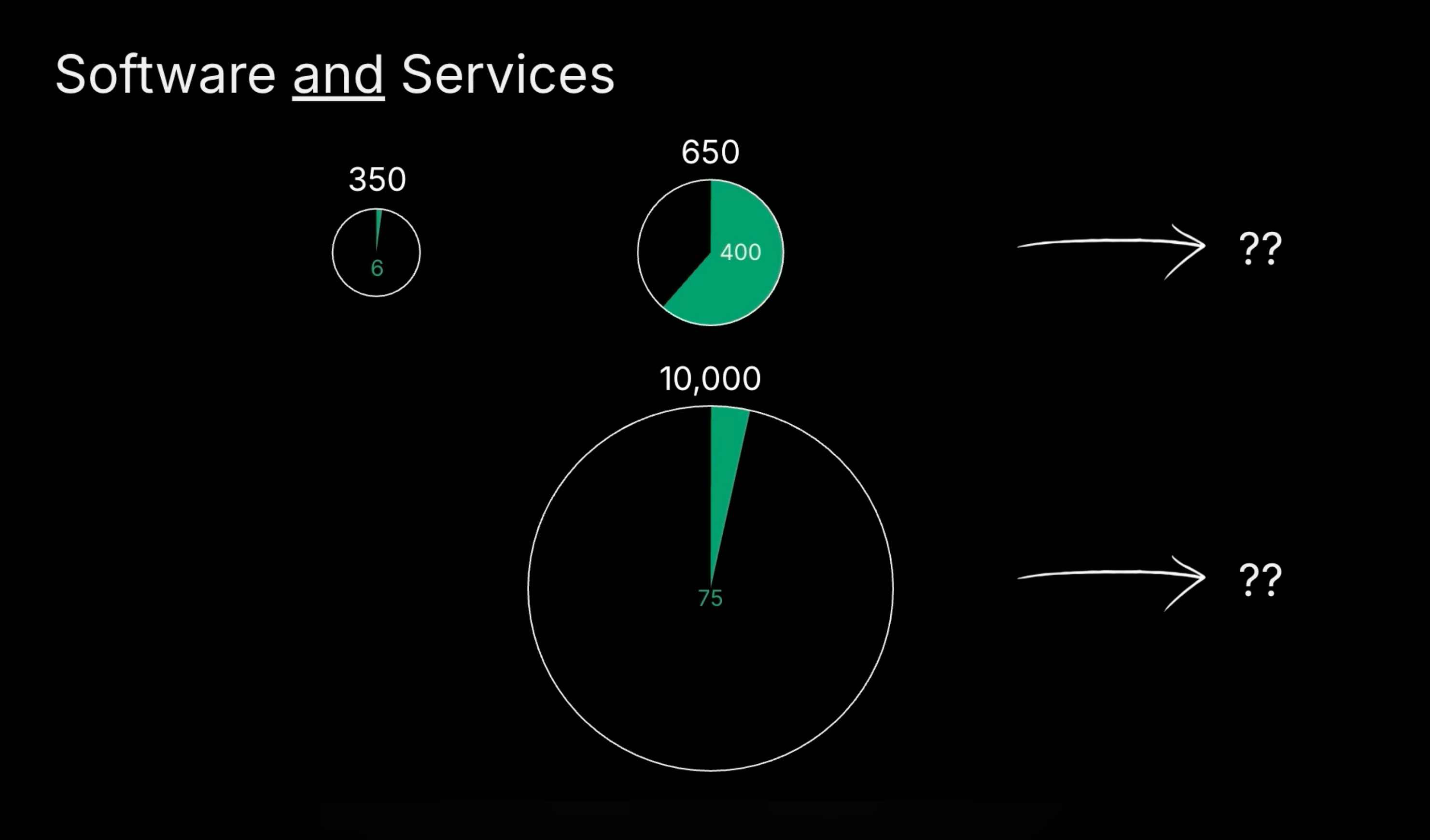
During the first 15 years of cloud, software total addressable market grew from roughly $350B to $650B, with cloud capturing about $400B of that.
AI adds an entirely new layer beneath: Sequoia estimates a roughly $10 trillion services market is now potentially addressable by machines.
The exact figure is uncertain — it could be $5 trillion or $50 trillion — but the magnitude is clear. Legal services in the United States alone is a $400B market: one vertical, one country, equal in size to the entire global software industry.
2. Is the fastest yet
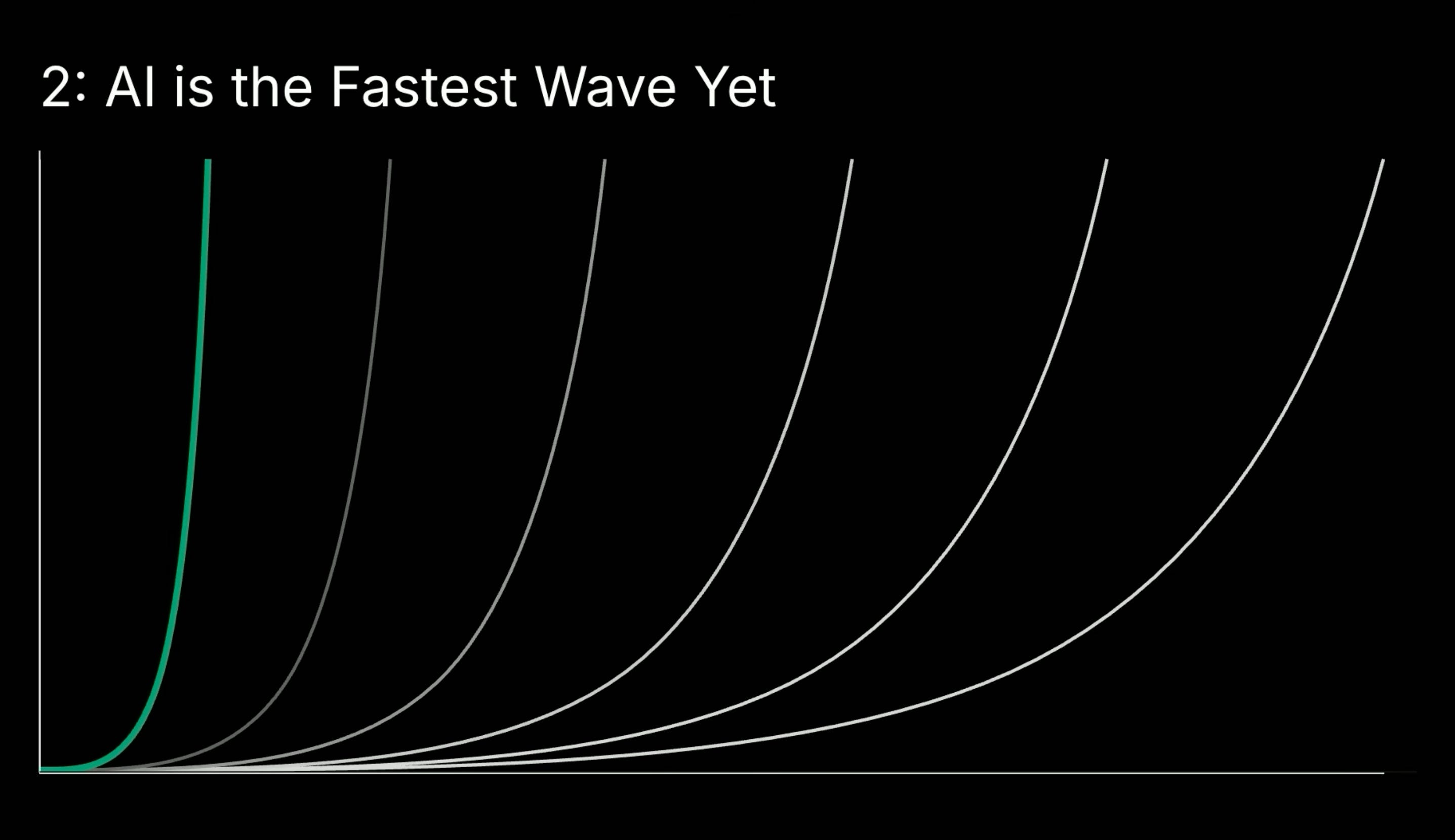
The companies that crossed $1B+ in revenue from the cloud, mobile, and AI tectonic shifts are arriving faster with each successive wave. At Sequoia's current trajectory mapping, more billion-dollar AI businesses are likely to emerge in a fraction of the time it took during previous platform transitions.
3. Why This Wave Is Different
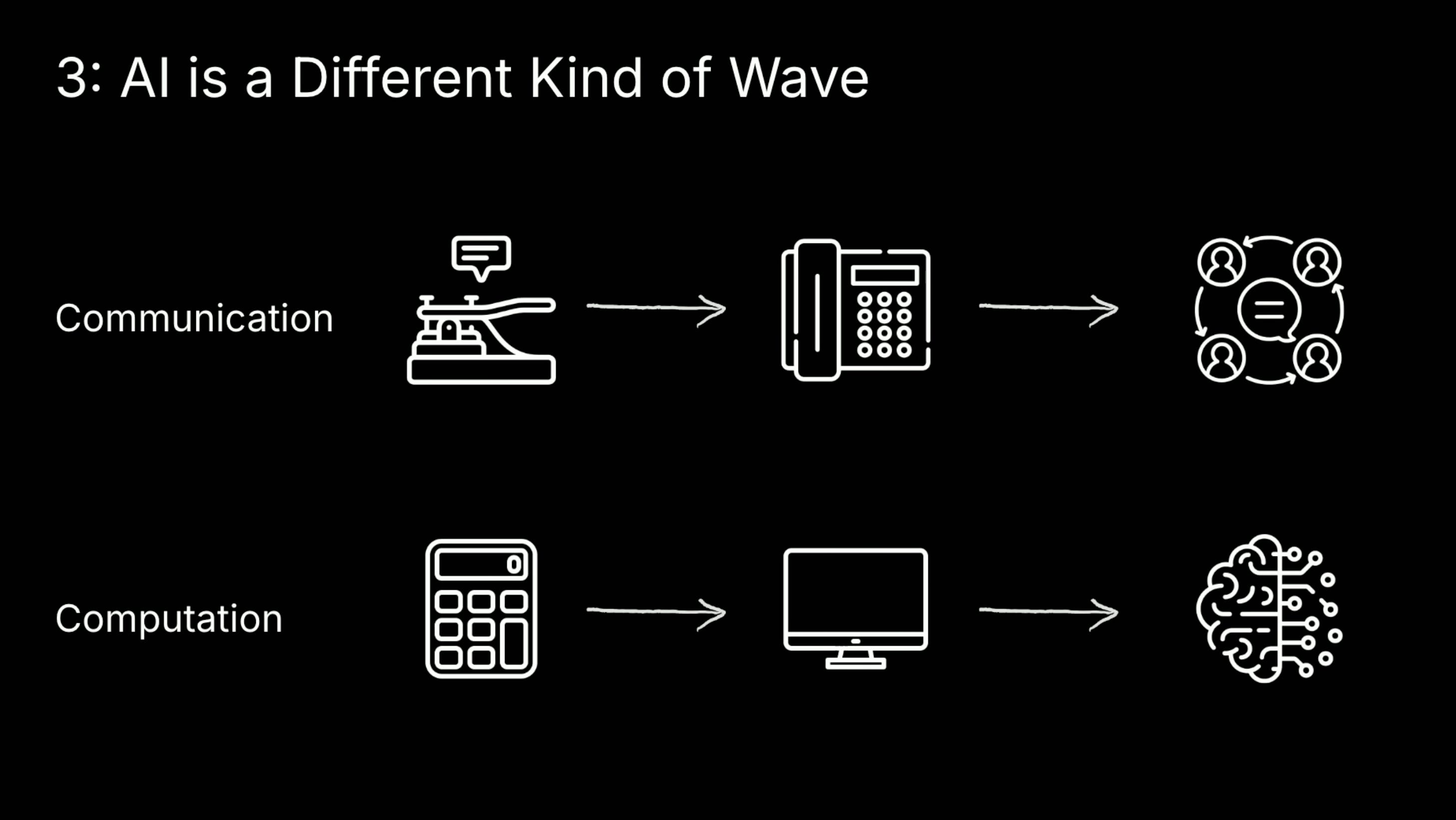
There are 2 types of revolution:
Communication: information distribution
Computation: how information is processed
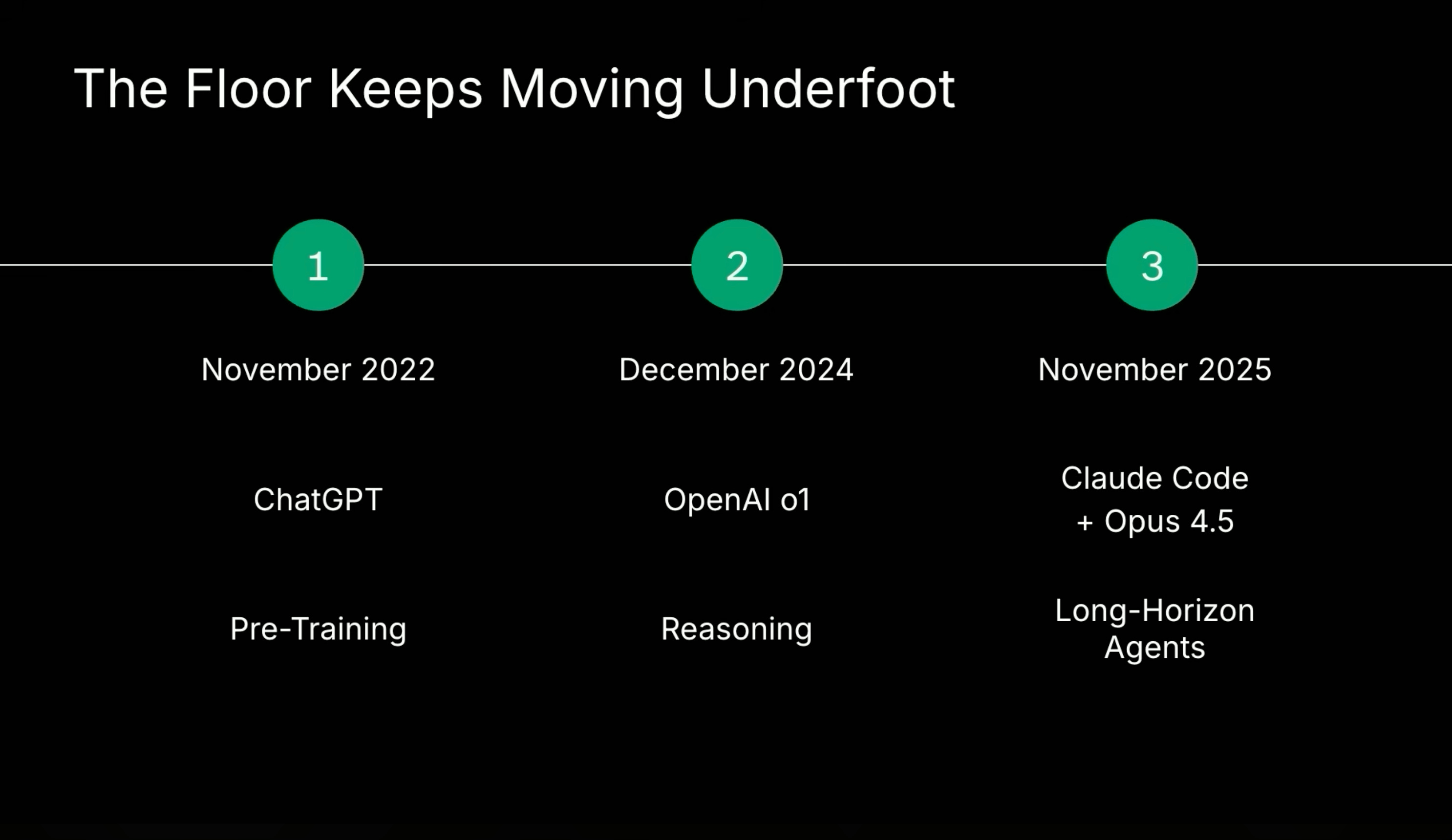
Grady identifies three discontinuous moments that define the current trajectory of AI. The first was November 2022, when ChatGPT revealed the power of pre-training to a mainstream audience.
The second came roughly two years later with o1, which surfaced a second scaling law around inference-time compute, reasoning models.
The third is happening now, with Claude Code and the Opus 4.5 / 4.7 generation, which have demonstrated the power of long-horizon agents.
The first two inflections feel like points on a continuum. Between the second and third there is a hard break, a discontinuous shift in what software can do.
Grady offers a deliberately commercial, rather than technical, definition of AGI: if a system can be dispatched to perform a job, recover from failure along the way, and persist until the job is complete, it functionally qualifies.
From Sequoia's perspective as investors, what matters is the practical capability, not the label. For the past several years, AI produced faster horses, applications that made knowledge workers 10–40% more productive without changing the shape of their work.
The current generation produces cars, applications that deliver 10–40x improvements and fundamentally restructure the work, the workflow, and the organization.
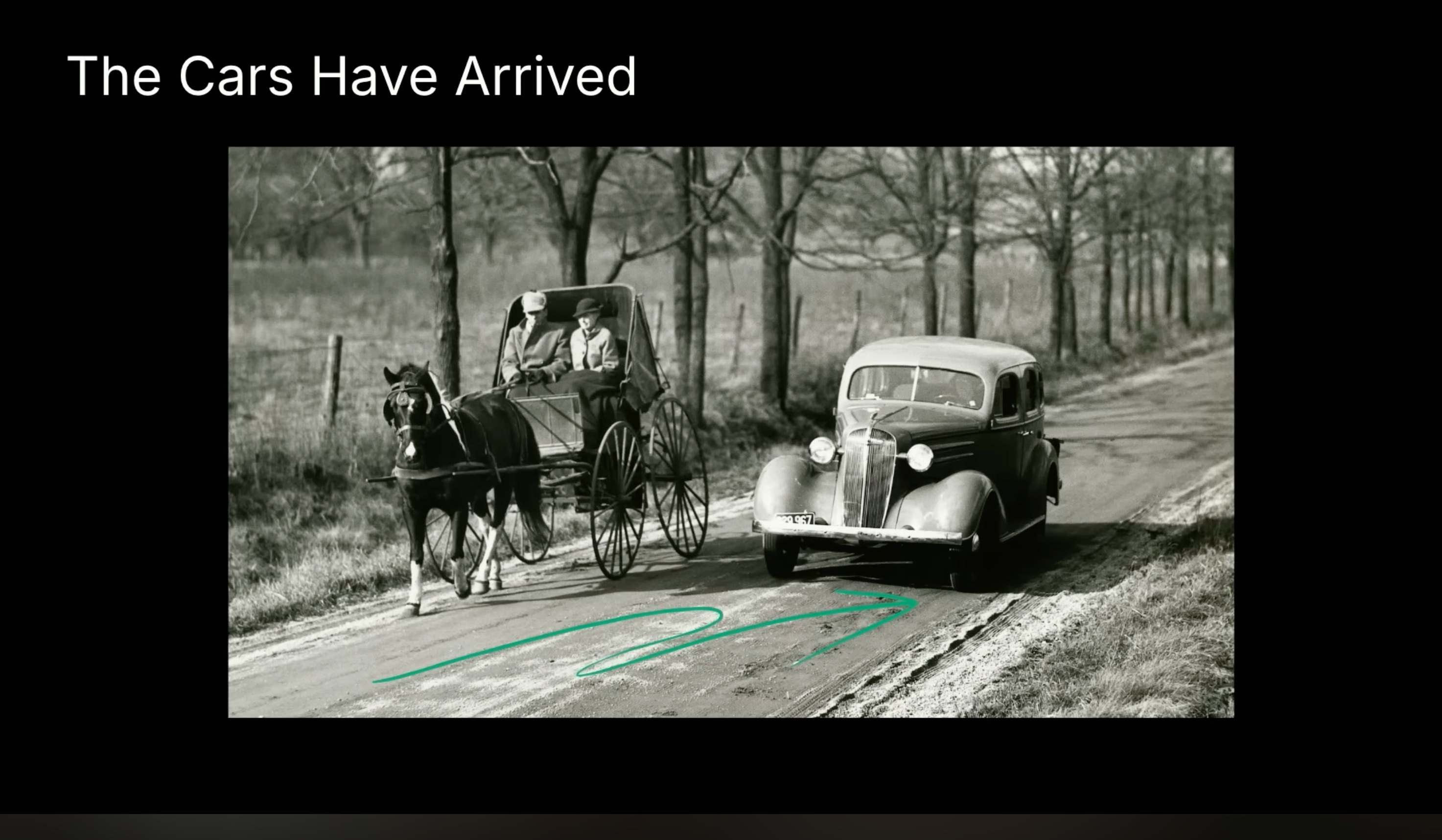
AI changes the way that we work, the nature of the work and the nature of the organization.
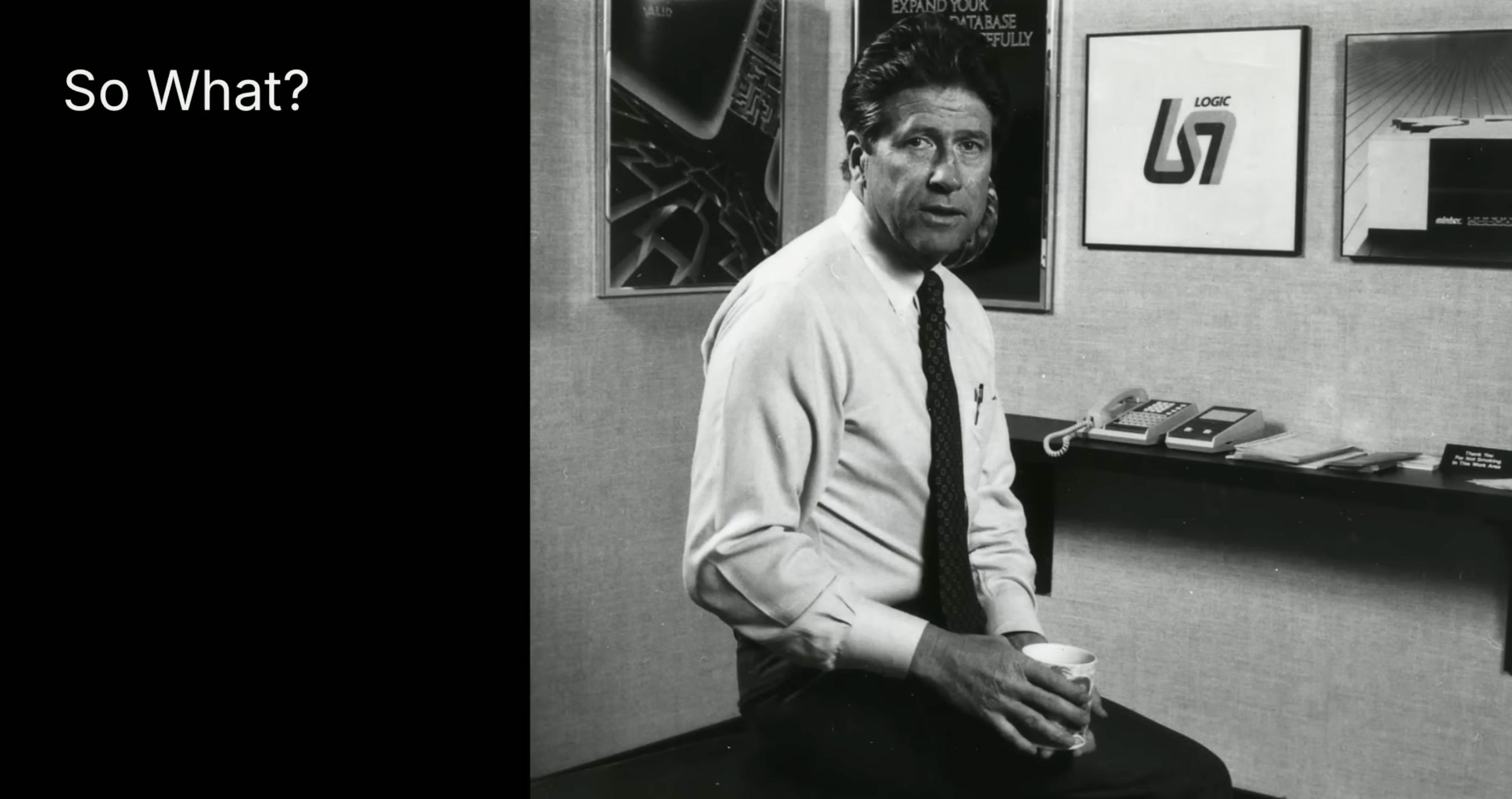
Why does this matter?
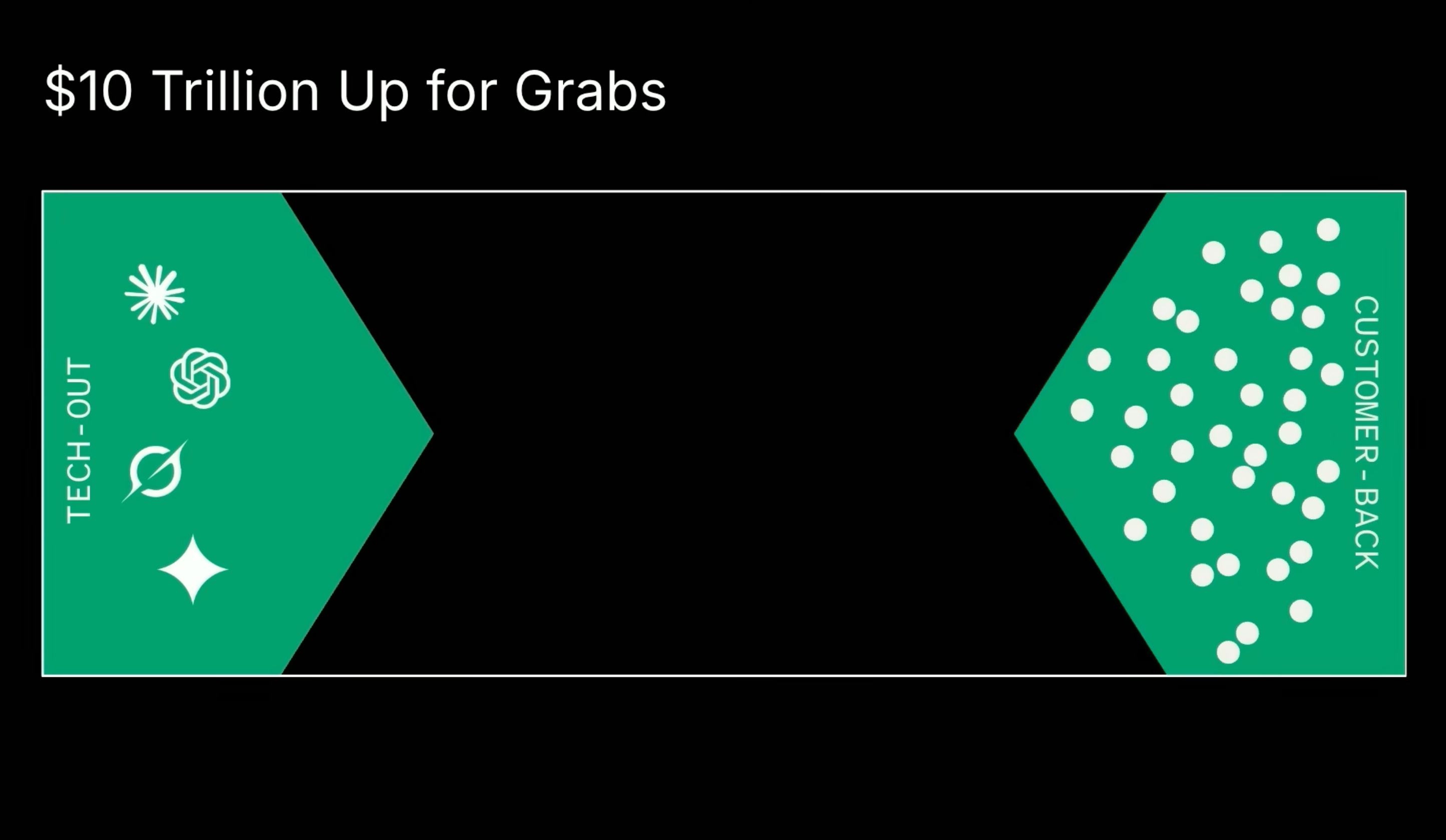
Echoing the famous question of Sequoia founder Don Valentine — so what? — Grady argues that what matters is that the race for the $10 trillion services opportunity is now underway.
Two strategies are visible.
Foundation model labs are advancing tech-out, expanding capability and pushing into applications from the model layer down.
Startups (largely Sequoia's portfolio shape) are advancing customer-back, building specialized applications on top of the labs and wrapping themselves around real customer workflows.
Driving a car is nothing like riding a horse, and building one is nothing like caring for one, the strategic playbook for this race looks fundamentally different from prior platform shifts.
2. The pillars to build on top of models: Moats, Affordance and Diffusion

1. Moats
Grady's most counterintuitive piece of advice: in a computation revolution, capabilities change faster than customers do.
The instinct of most technical founders is to chase the technology — to optimize endlessly against the latest model release.
But that's where the ground is least stable. Sequoia's recommendation is to wrap tightly around specific customers and their specific problems.
Product still matters; best product generally still wins. But customer intimacy, workflow integration, and earned trust are the moats that compound over time even as the underlying tech keeps shifting.
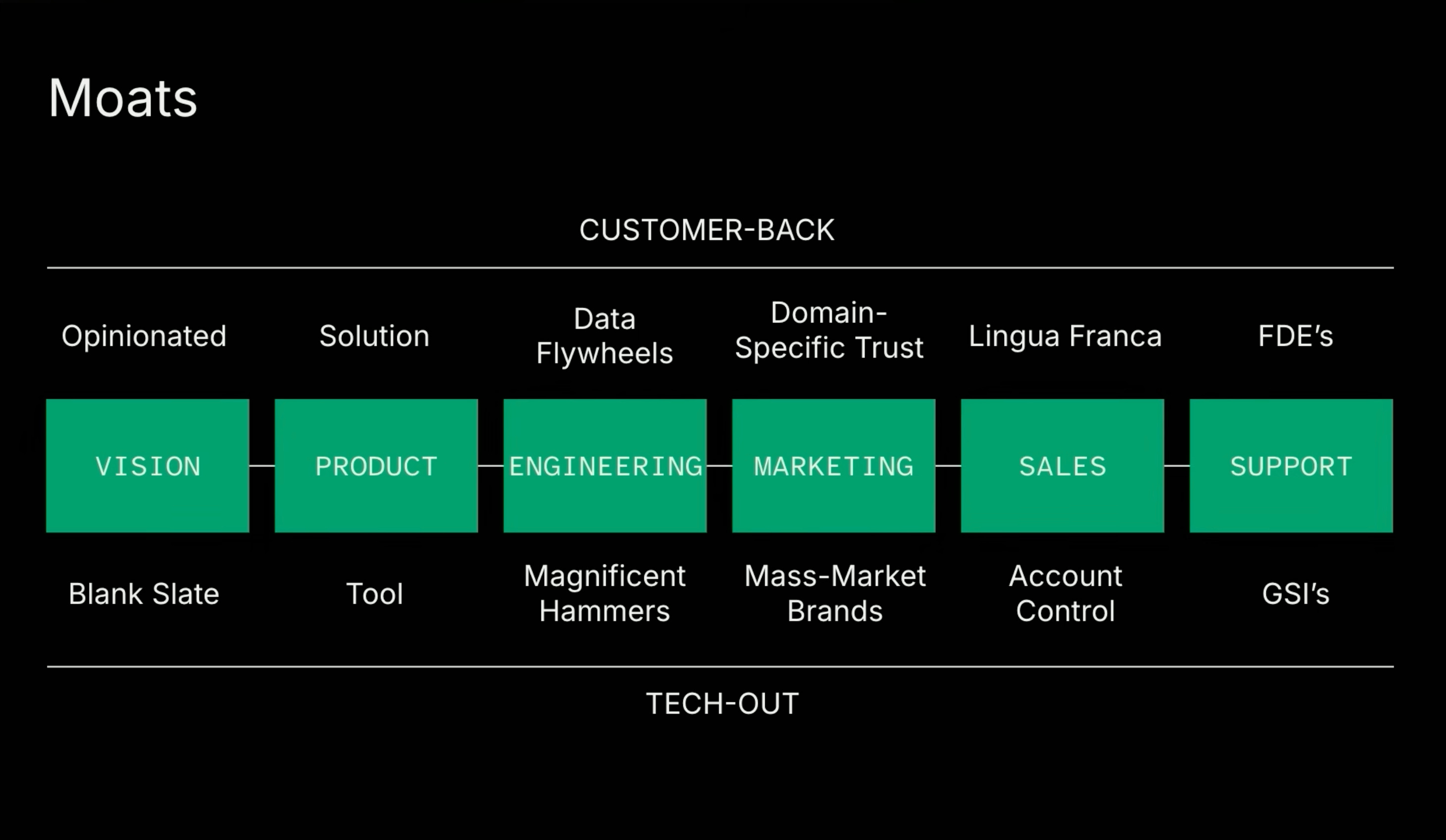
In a revolution in computation the things that you build might today might be irrelevant tomorrow.
The degree you wrap around your customers is going to be way more valuable.
2. Affordance
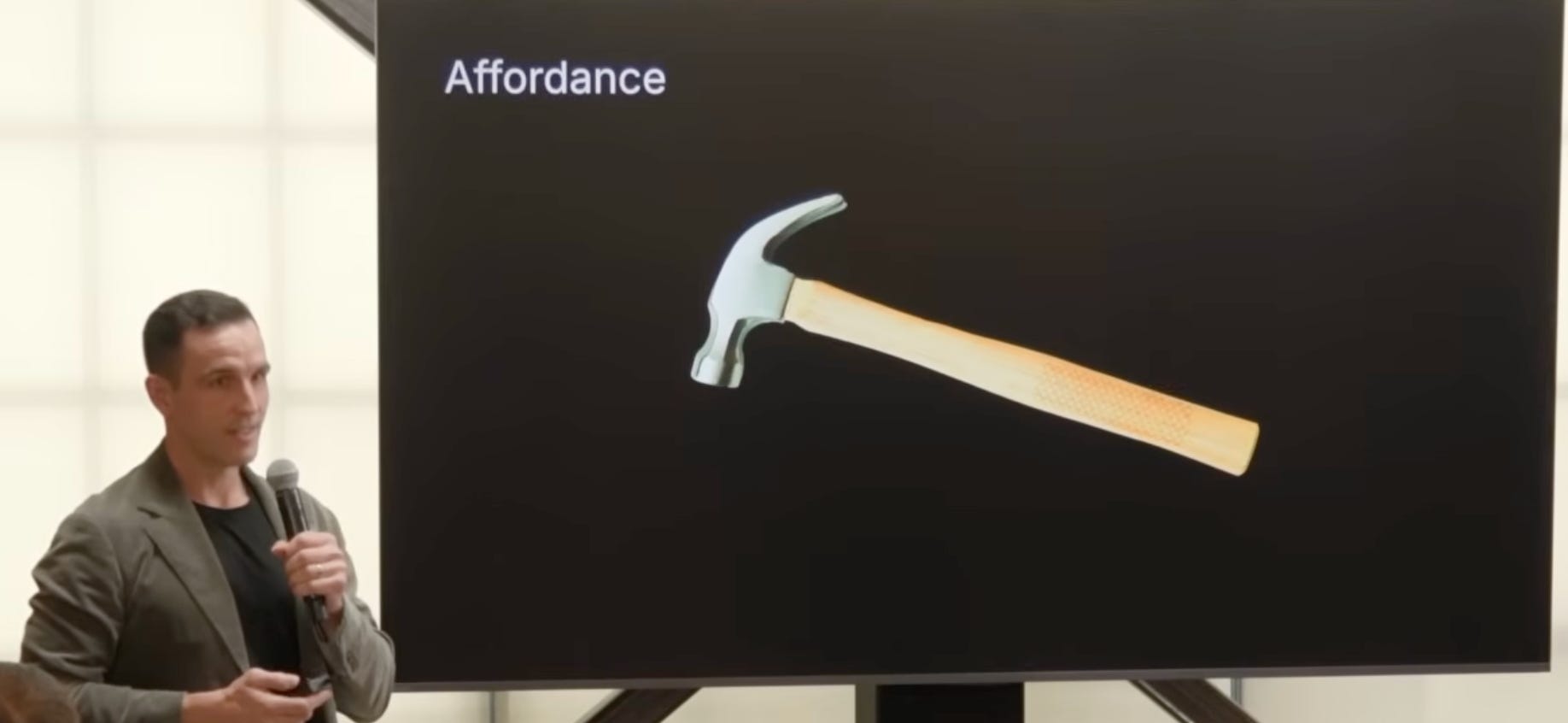
Affordance, borrowed from the design world, is the quality of an object that signals how it should be used without explanation.
A hammer has high affordance, its shape suggests its function instantly. Grady notes that raw foundation model access has low affordance: a terminal interface with Claude Code is enormously powerful, but the average enterprise employee has no idea how to make use of it.
The opportunity at the application layer is to take immense underlying capability and package it into surfaces so intuitive that the customer reaches the desired outcome with minimal effort.
3. Diffusion
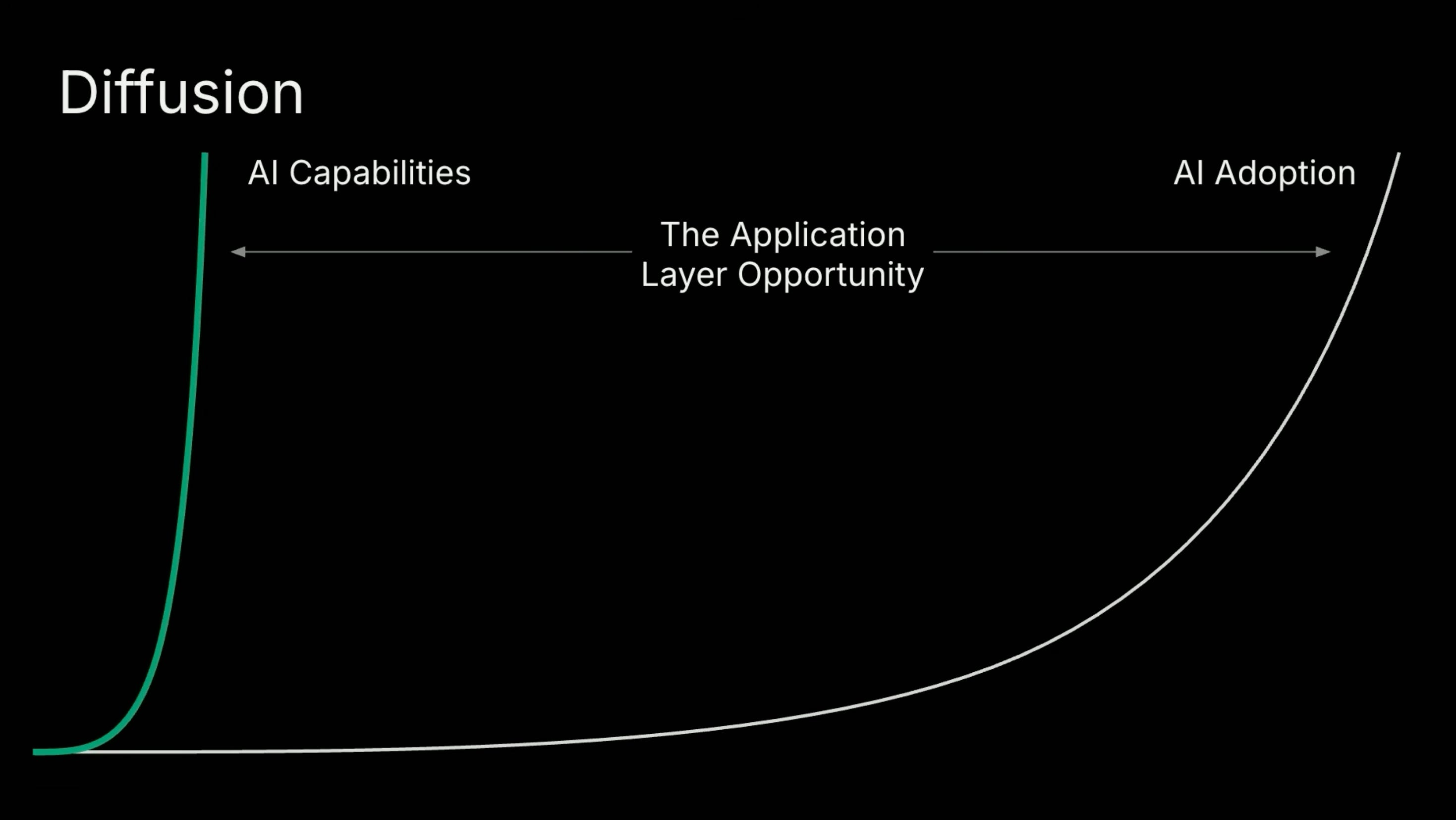
Grady highlights a widening gap between the rate at which new AI capabilities are created in the labs and the rate at which those capabilities diffuse into real enterprises. Foundation models advance daily; the average Fortune 500 absorbs change in months or years.
Every day that the gap widens, the application-layer opportunity grows.
In Sequoia's view, closing that diffusion gap — turning frontier capability into deployed business value — is the core mission of the application layer.
PART TWO — SONYA HUANG: AGENTS, THE STORY OF 2026
1. The Year of Agents
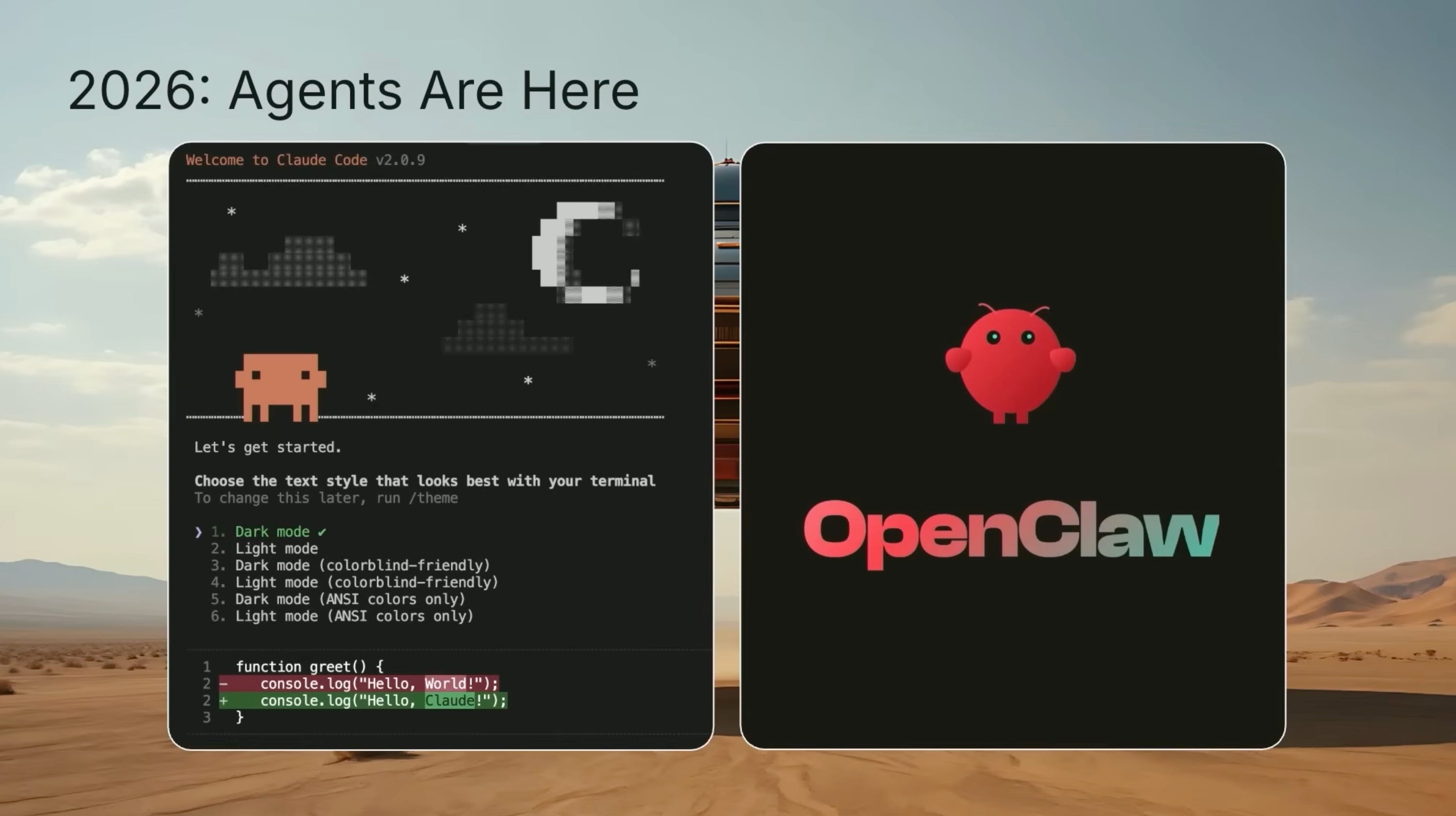
Sonya Huang opens the second section with a clean thesis: if 2022–2024 was defined by chat interfaces and 2024–2025 by reasoning models, 2026 is defined by agents. The transition, in her framing, is from systems that respond to a prompt to systems that pursue a goal.
2. Flashback to 2022 — AutoGPT and BabyAGI
Huang reminds the audience that the idea of an autonomous AI agent is not new. In 2022, projects like AutoGPT and BabyAGI became overnight GitHub sensations by wrapping GPT-3 in a planning loop and pointing it at a goal.
The concept was right; the execution was not. The agents looped, hallucinated, and failed repeatedly.
The lesson she draws in retrospect is that agents were a known destination years before they were viable, the models simply weren’t yet capable of sustaining performance.
3. The Three Functional Components
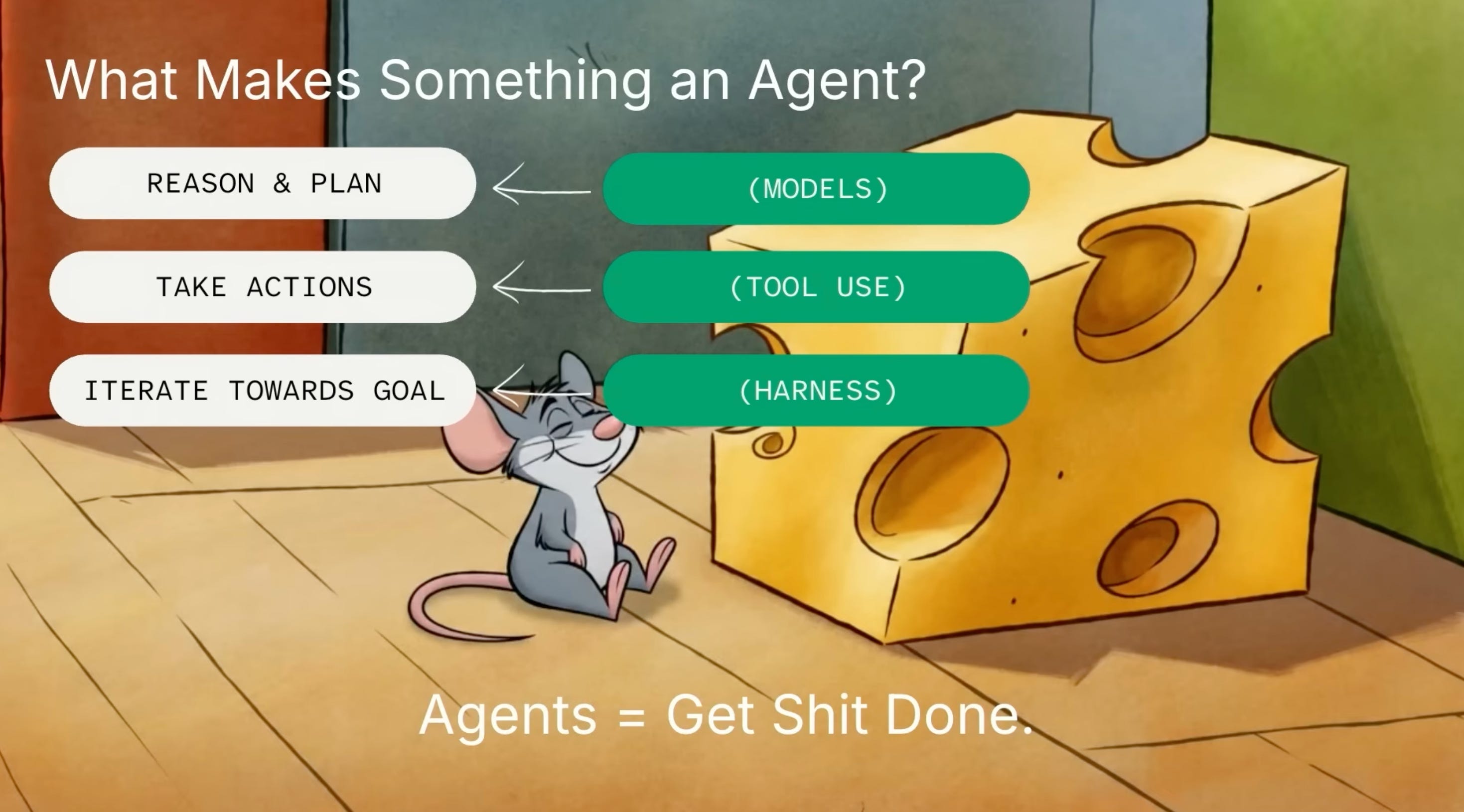
Huang breaks agents into three functional capabilities.
Reasoning and planning provide the baseline intuition required to think through a task.
Action-taking provides the means to do something in the world — call APIs, run code, search the web, write files.
Iteration provides persistence across long time horizons. The combination is what produces agency: the practical ability to get things done.
4. The Sliding Scale of Agentness
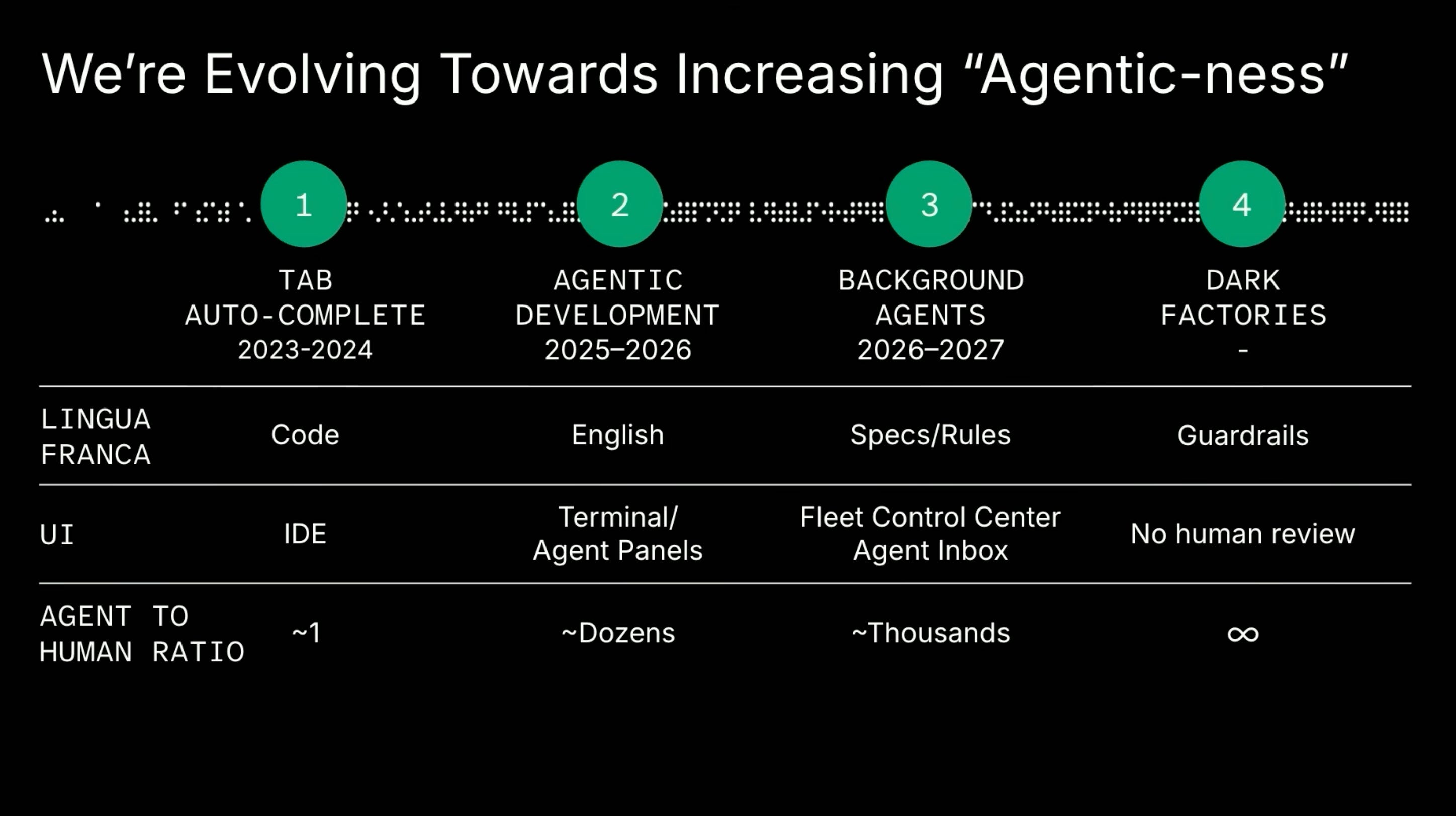
Huang argues that agentness is a spectrum, not a binary, and uses coding as the canonical example. First came tab autocomplete in 2023 — an AI suggestion in the editor, useful but not transformative. Then came agentic development, where a human directs an agent or coordinates a small team of them. Now emerging are background and async agents— long-running workers that operate without continuous human supervision, often spawning sub-agents of their own. At the frontier sit dark factories: pipelines in which human review has been removed entirely. Huang notes that dark factories sound implausible until they appear in production, which is already happening in narrow domains such as cybersecurity. The same trajectory — assistant to managed intern to self-managing intern to trusted autonomous worker — is repeating across every domain in which agents are being applied.
5. Services Is the New Software
Huang flags this as the most important takeaway of her section, attributing the framing to Pat Grady and to fellow Sequoia partner Julian, whose article on the topic is referenced.
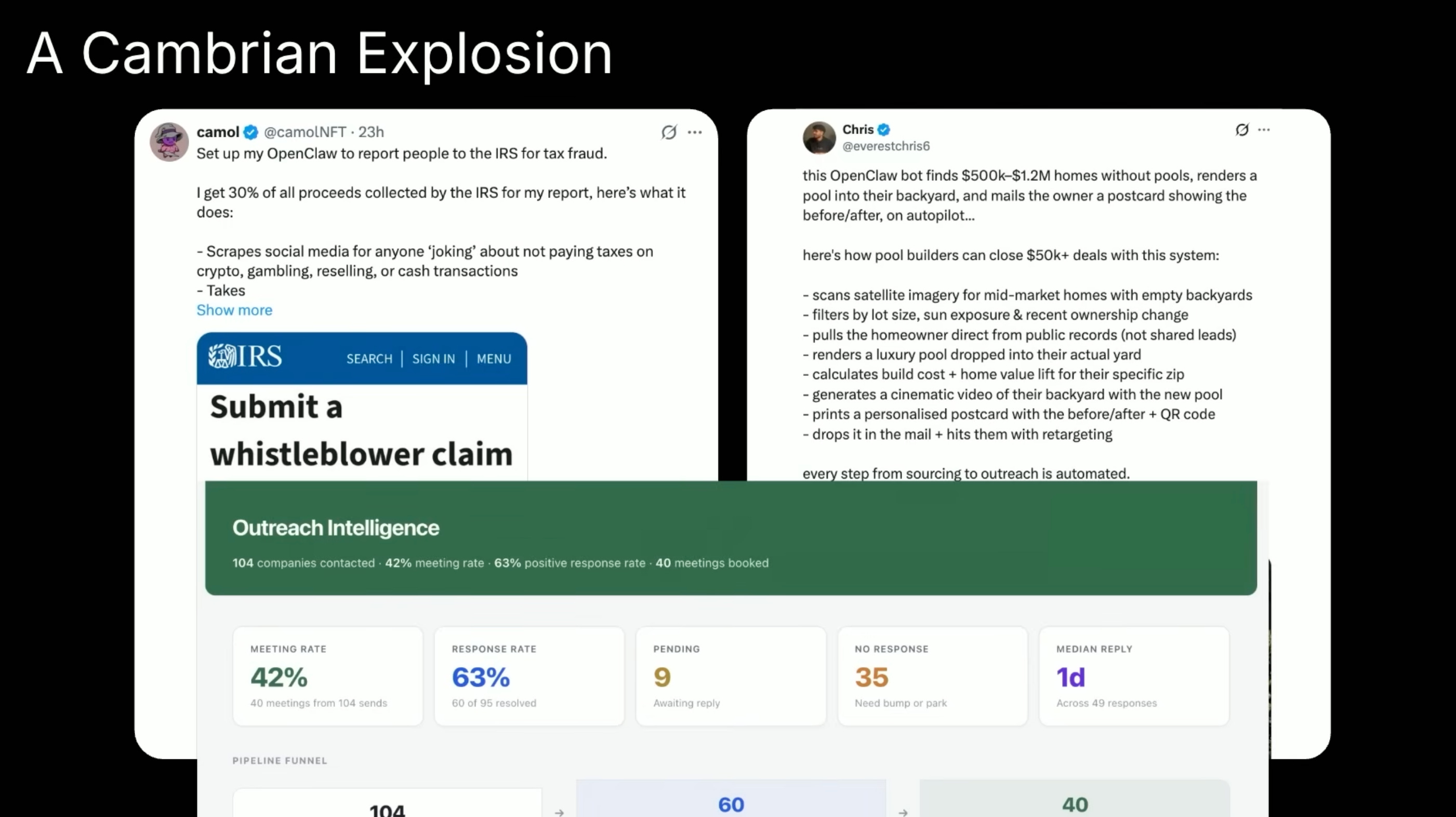
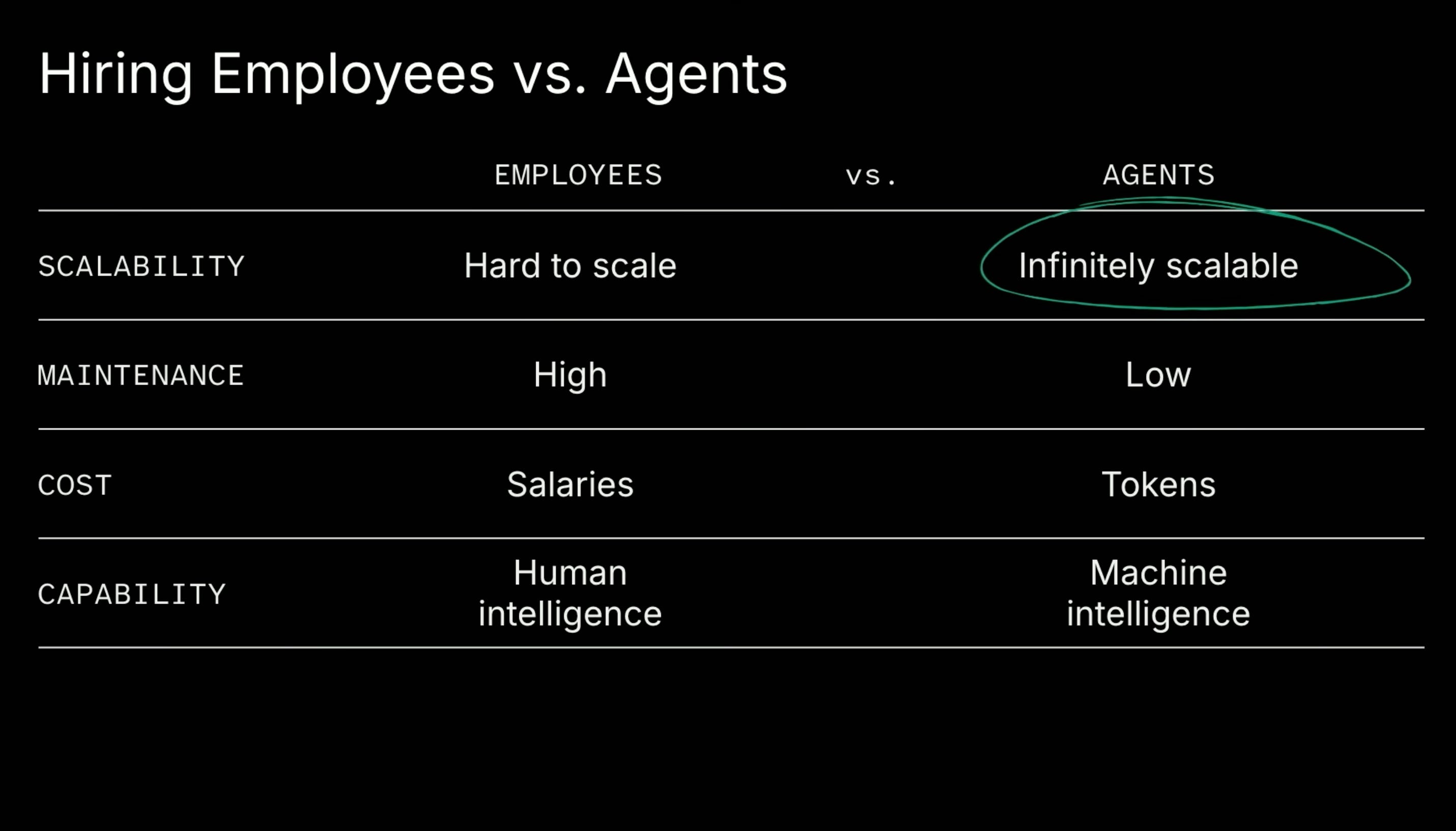
The largest commercial implication of capable agents is that services, not software, becomes the addressable opportunity. In medicine, an agent can analyze a genome, recommend interventions, prescribe medications, and identify clinical trials. In law, an agent can negotiate contracts, perform litigation work, and settle disputes. In the sciences, agents are solving Erdős-class math problems and proposing novel superconductors. In consumer life, personal agents are taking over inboxes, calendars, financial accounts, and tax filings. The economic activity once captured by professional service firms is now being absorbed into the application layer.
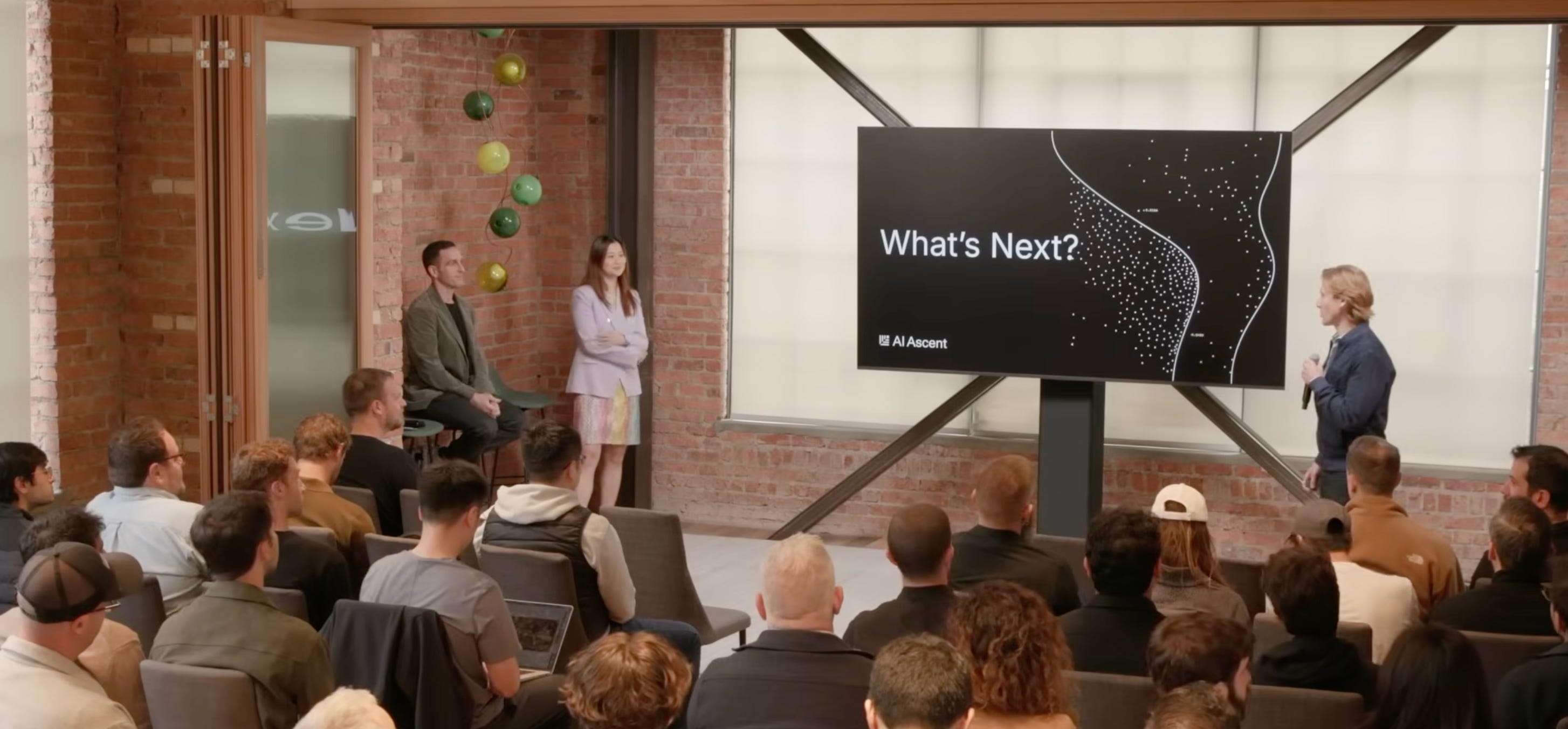
PART THREE — CONSTANTINE BUHLER: WHAT'S NEXT
1. Two Kinds of Work
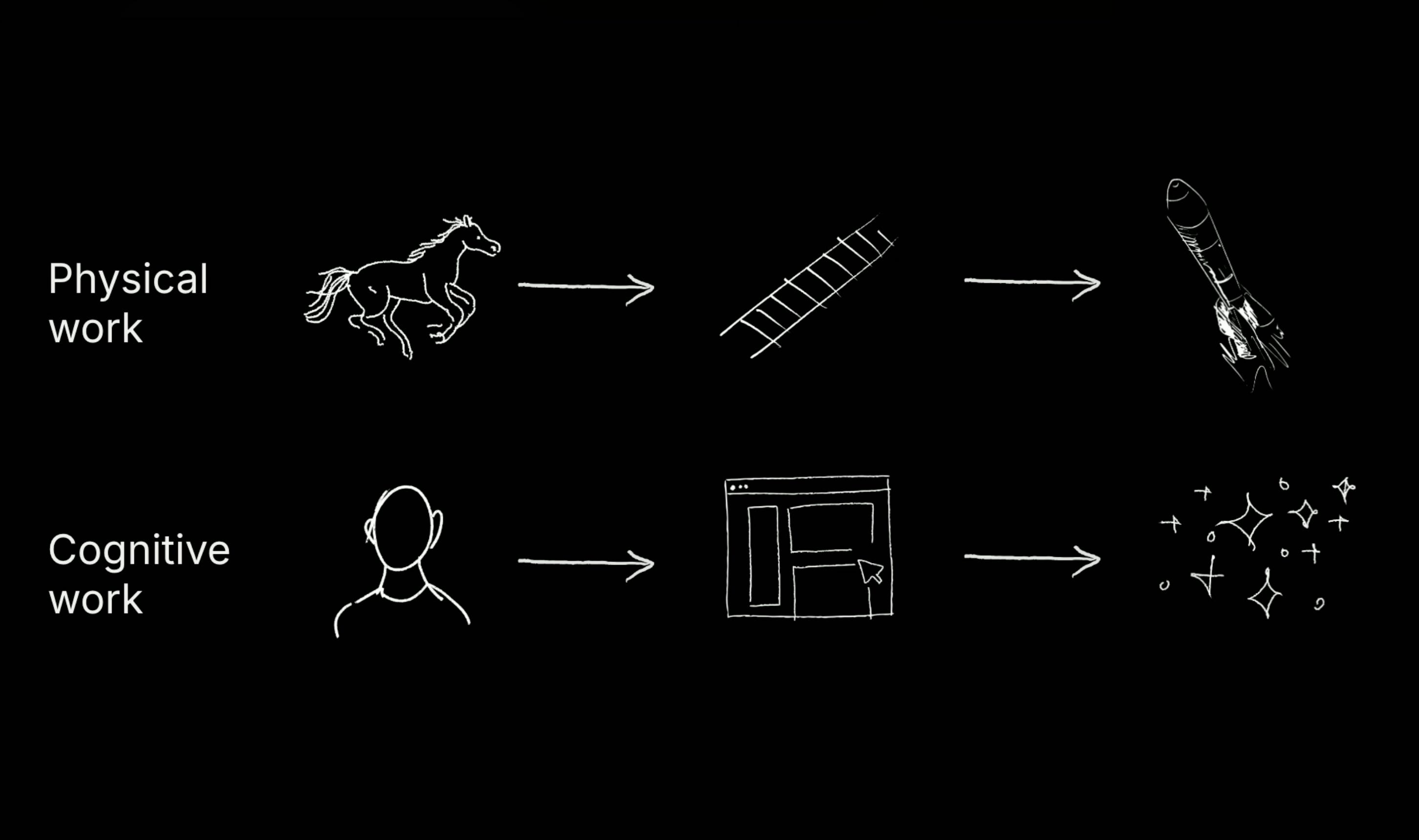
Constantine Buhler picks up where Grady left off, offering a second bifurcation to complement the computation vs. communication framing from the opening. There are two fundamental kinds of work. Physical work moves matter through space — the package on the Pony Express, the satellite on a Falcon 9. Cognitive work moves ideas through minds — Pythagoras formulating his theorem, DeepMind solving protein folding. The two are profoundly different in substance, but Buhler argues their revolutions follow a strikingly similar arc.
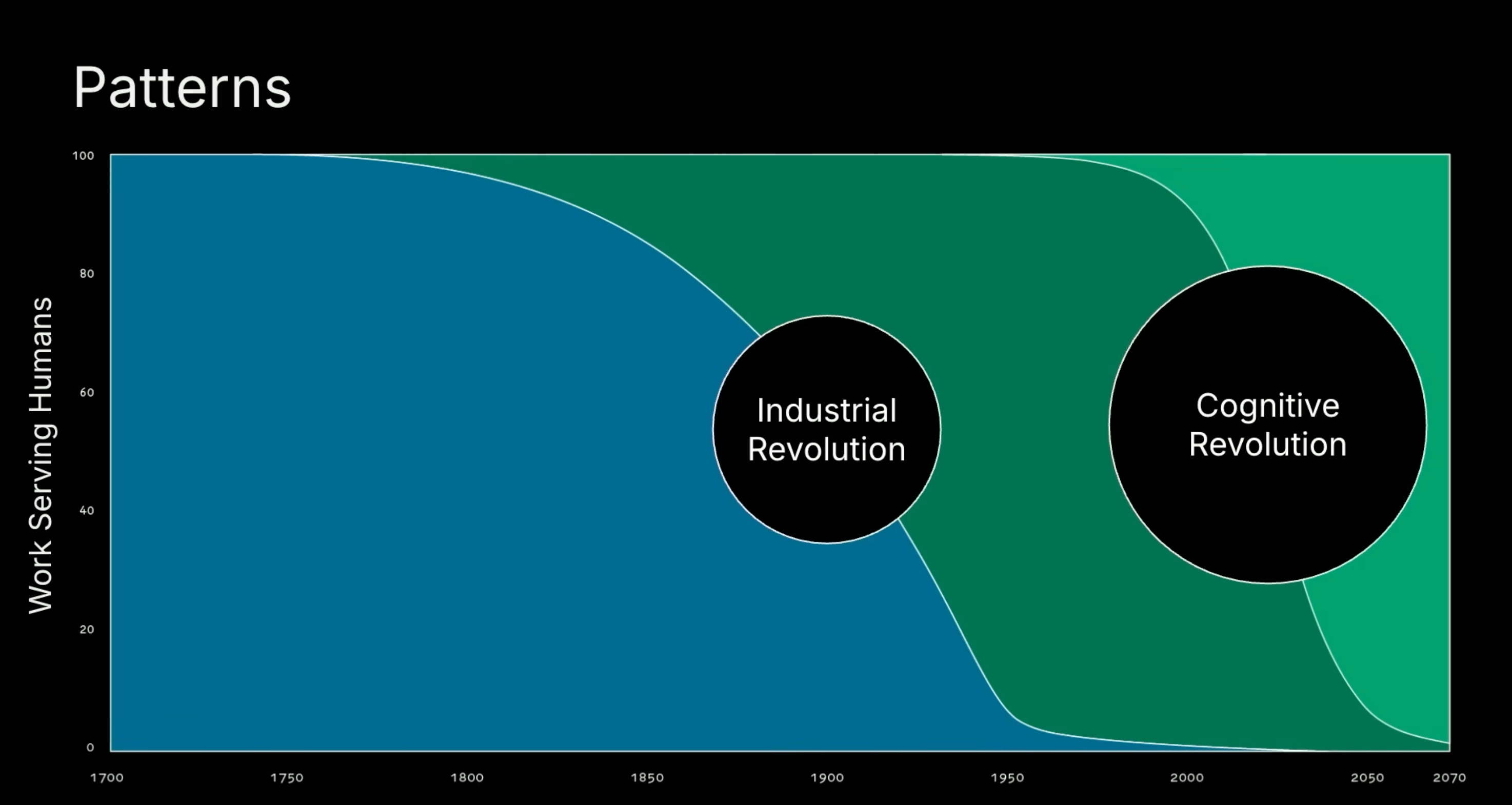
2. The Industrial Revolution as Precedent
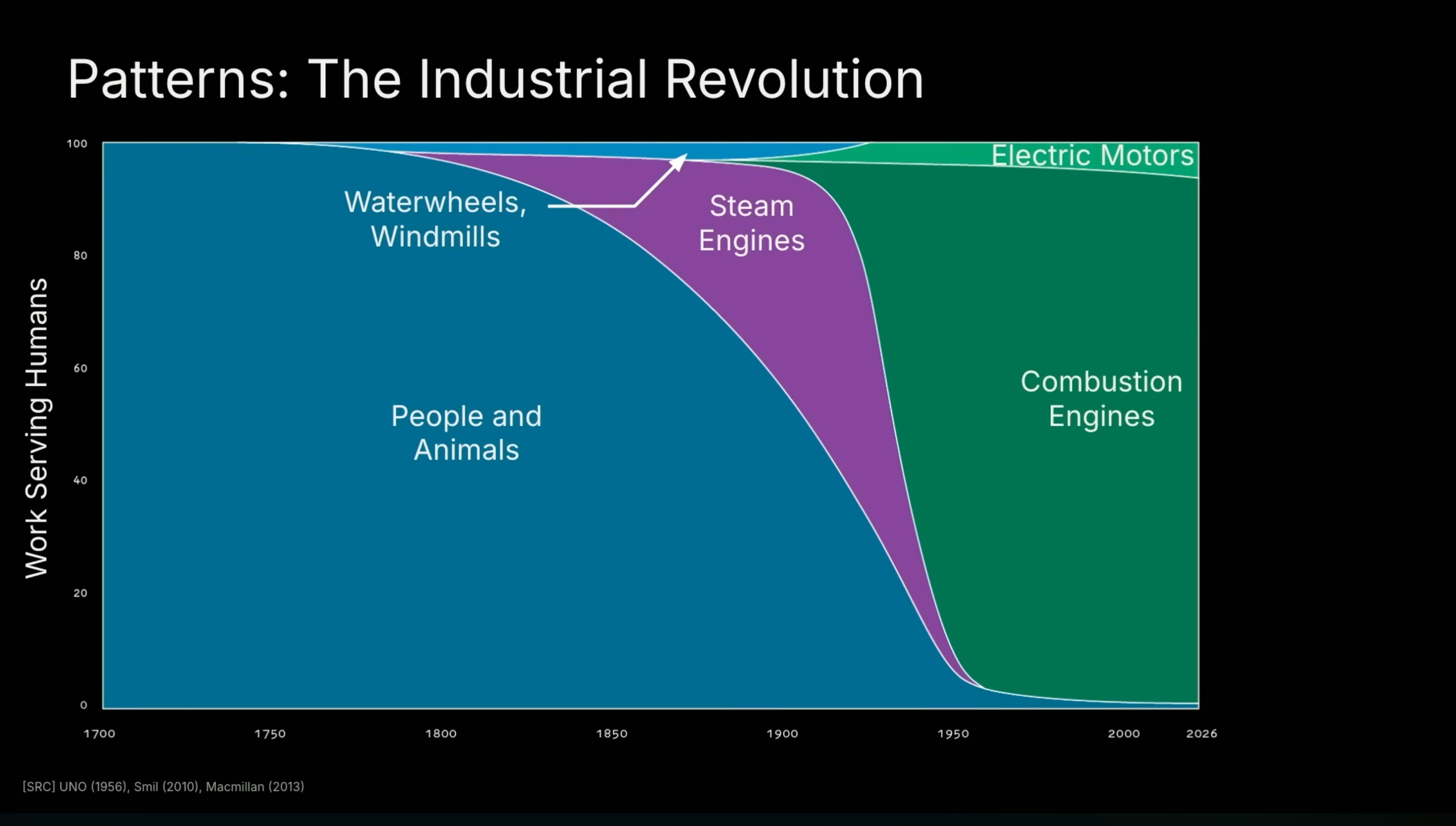
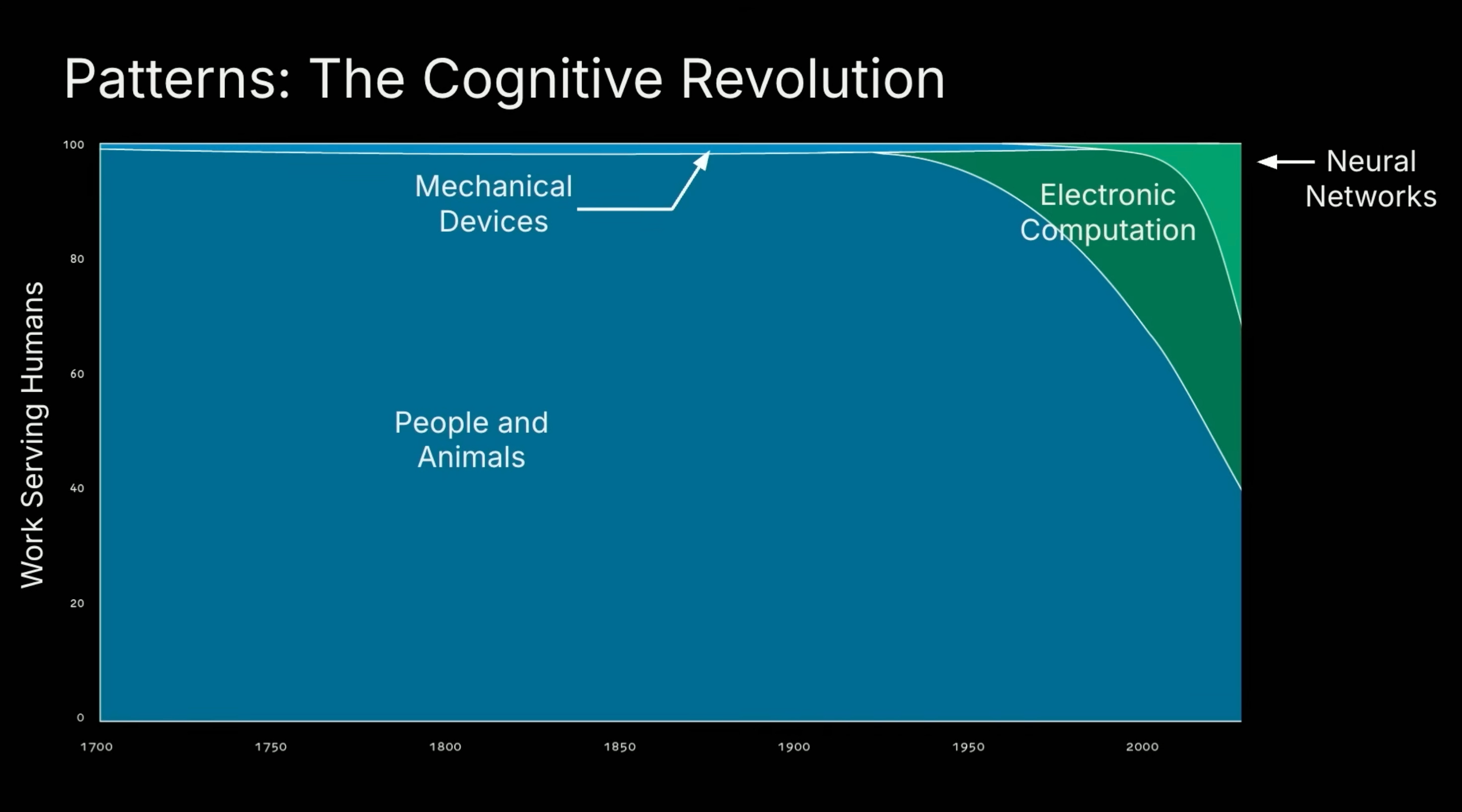
Buhler walks through the industrial precedent. For millennia, virtually all physical work serving humans was performed by muscle — human or animal. The transition began around 1700 with water and wind, accelerated through steam and combustion, and reached its modern form with electric motors. By 2026, more than 99% of physical work done on behalf of humans is performed by machines: the aircraft that move people, the manufacturing systems that produce goods, the logistics networks that deliver them. Muscle has been almost entirely displaced by machine.
3. The Cognitive Revolution
Buhler’s central claim is that a parallel transition is now underway in cognition. For most of history, nearly all thinking on Earth was performed by biological brains, with a small assist from animals and mechanical aids like the astrolabe or the clock. Electronic computation began to shift this balance in the twentieth century — at any moment today, trillions of calculations are running in service of human needs. The neural network, in his view, is the next wave. The trajectory suggests that within a generation, 99.9% of cognition on Earth will be performed by machines. The cognitive revolution will resemble the industrial revolution in shape, but will be substantially larger in scope and substantially faster in tempo
4. What the future looks like? 4 Stories
1. Aluminum and the Washington Monument
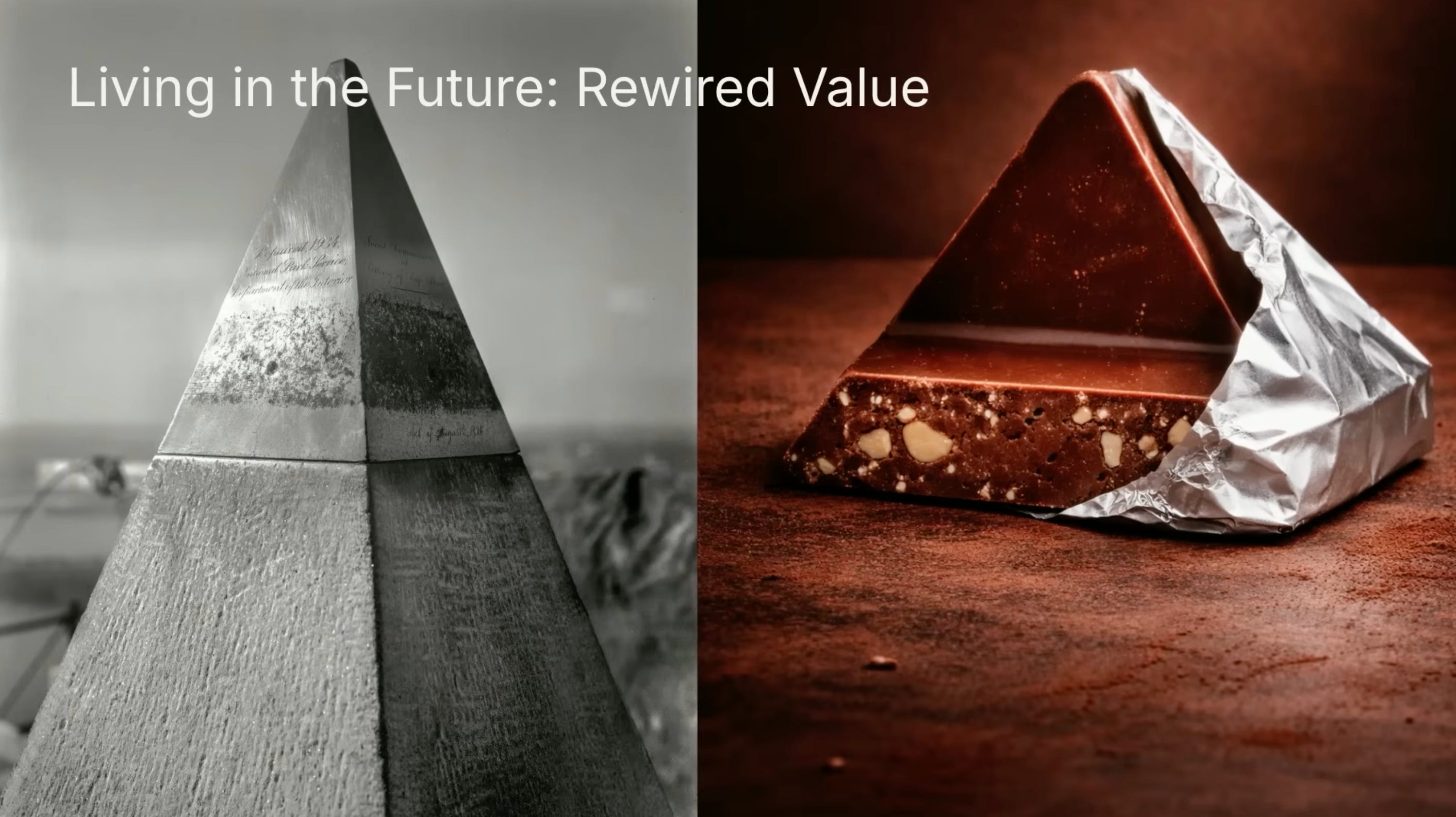
Buhler illustrates the coming devaluation of cognitive skills with the story of aluminum. In the mid-1800s, the Washington National Monument — then the tallest building in the world — was capped with 100 ounces of aluminum. Aluminum was, at the time, the most precious metal known; it was displayed at Tiffany’s in Manhattan before being installed. Within a few decades, the invention of electrolysis allowed aluminum to be separated cheaply from ore, and the metal became disposable — candy wrappers, sandwich foil, packaging discarded after a single use. Buhler’s analogy: aluminum is intelligence, electrolysis is artificial intelligence. Capabilities that once required decades to acquire — PhD-level expertise in narrow domains — are becoming instantly invocable and effectively disposable.
2. The Age of Alien Design
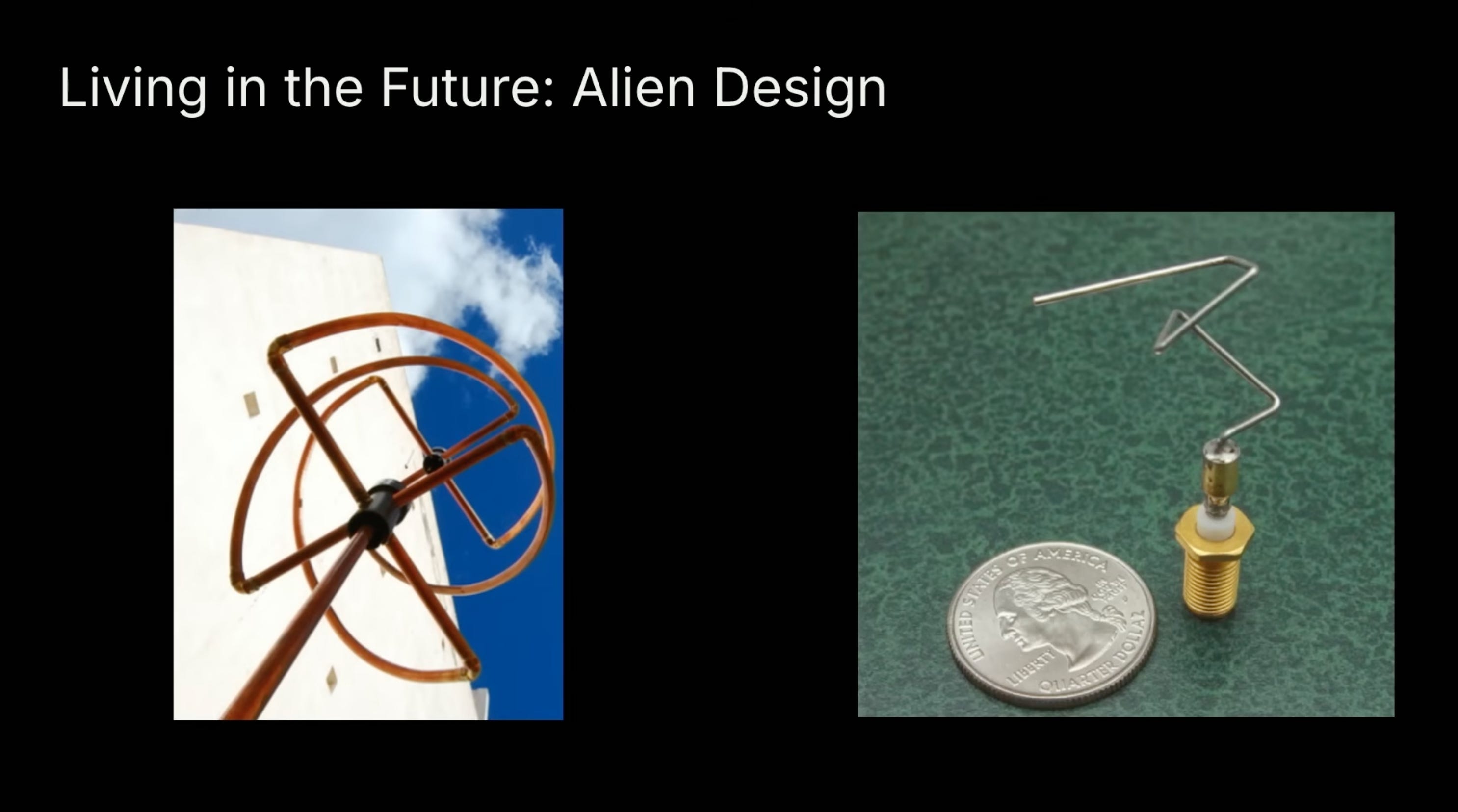
Buhler’s second story addresses what AI-led design will look like. The built environment today is overwhelmingly optimized for human cognition because humans have been doing the cognition. When machines take over the design process, the outputs begin to look strange. In 2006, NASA used an evolutionary algorithm — a precursor to modern reinforcement learning — to optimize an antenna for a satellite mission. The conventionally designed antenna was a clean, symmetric, geometric form. The machine-designed antenna was a contorted, asymmetric shape that no human engineer would have proposed — and it dramatically outperformed the conventional design. Buhler’s forecast is that as AI takes over the design of chips, vehicles, buildings, and software, the outputs will increasingly look alien by human standards. The aesthetic and structural intuitions that have governed human design for centuries may not apply.
3. Emerging Sciences
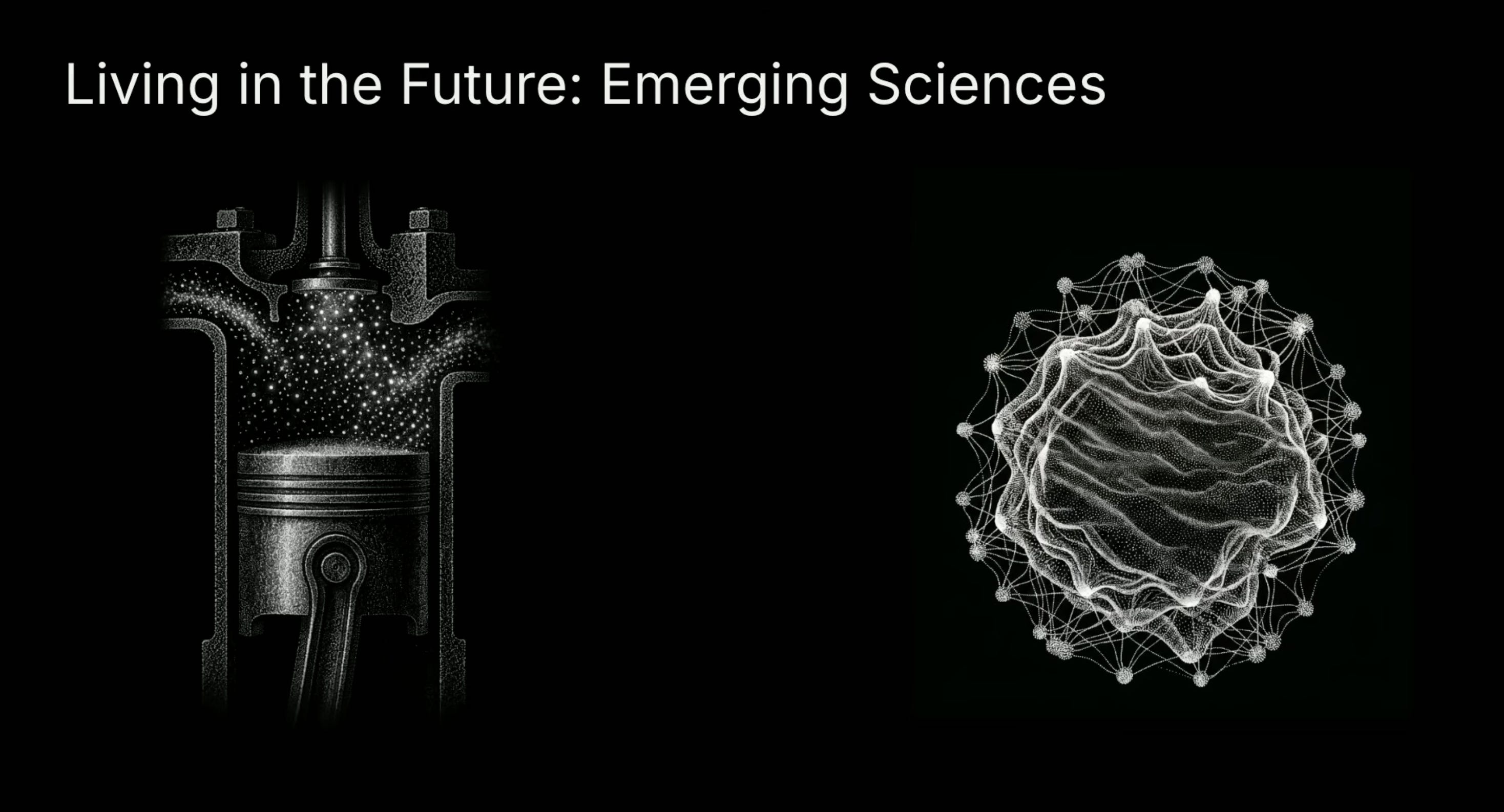
Buhler’s third story is about the scientific revolution he expects to follow the engineering one. The mature engineering disciplines often emerge long after the practical technology they describe. For nearly a century, steam engines were perfected through pure tinkering — engineers like Newcomen and Watt iterating empirically without a unifying theory. Then, in the early 1800s, Sadi Carnot formalized thermodynamics, giving the field a rigorous foundation that ultimately enabled the next several generations of progress. AI, Buhler argues, is currently in its tinkering phase. The systems work, but the science of why they work is incomplete. His forecast: within the next two decades, a new fundamental science of intelligence — at the level of thermodynamics in scope and rigor — will emerge. It will be taught in high schools. It may provide the conceptual tools needed to genuinely master AI, and possibly to understand consciousness itself.
4. The Art of Unreason
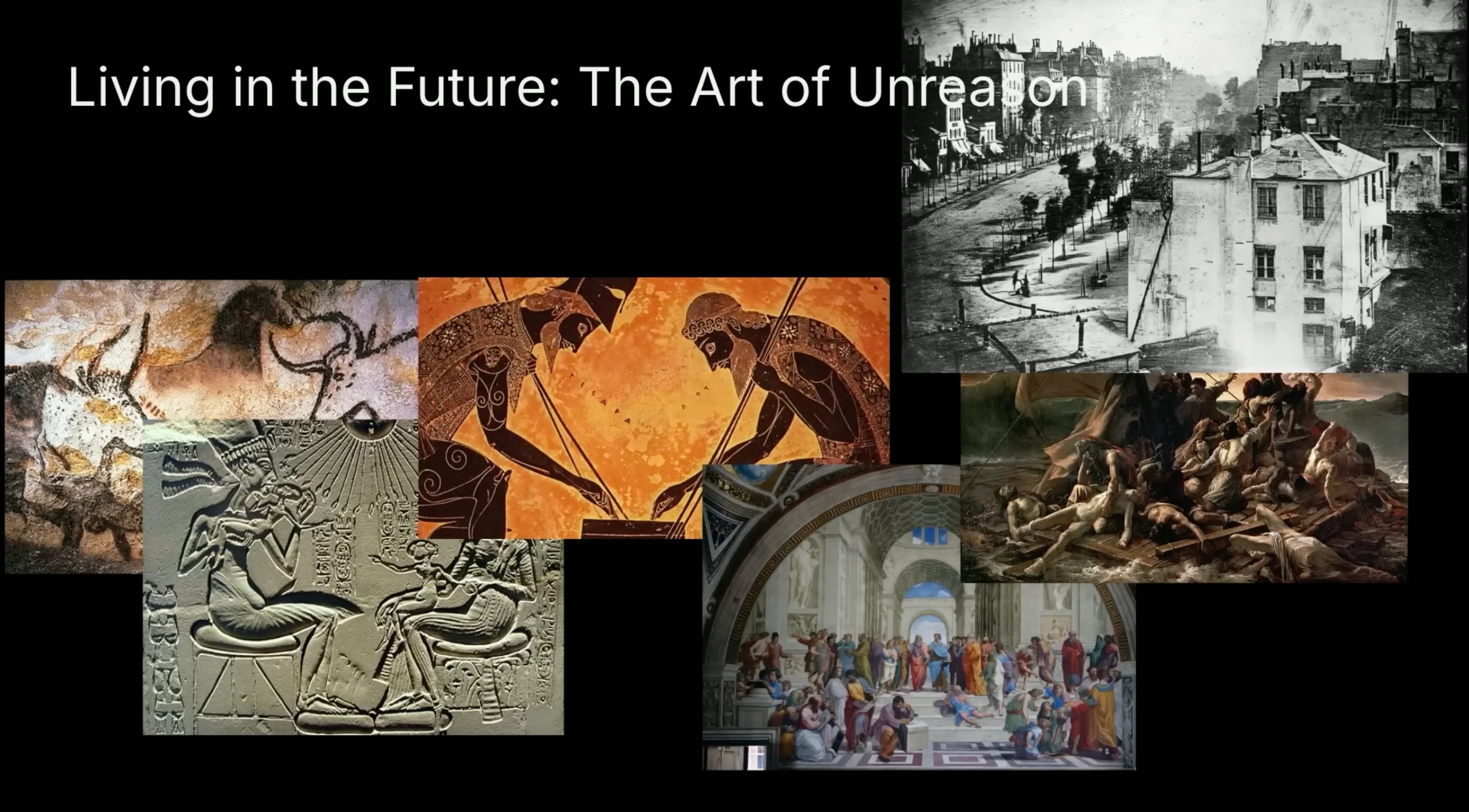
Buhler’s fourth story addresses how human creative activity tends to respond to mechanization. For tens of thousands of years, visual art trended steadily toward realism. From cave paintings to Egyptian hieroglyphs, Greek pottery to Renaissance masterworks, the dominant pursuit was capturing the world as the eye perceived it. The arrival of the daguerreotype and early photography abruptly made that pursuit obsolete: a camera could capture a scene in seconds with more fidelity than a master could achieve in months. Many predicted the end of painting. Instead, painting reinvented itself by asking a different question — not how the eye sees the world, but how the heart and the soul see it.
Impressionism, Expressionism, Cubism, and Neo-Expressionism followed. Buhler’s expectation is that a similar reorientation will occur as machines take over the literal execution of cognitive work.
Human creative and interpretive activity will shift toward the dimensions machines cannot replicate
Man Is the Measure of All Things
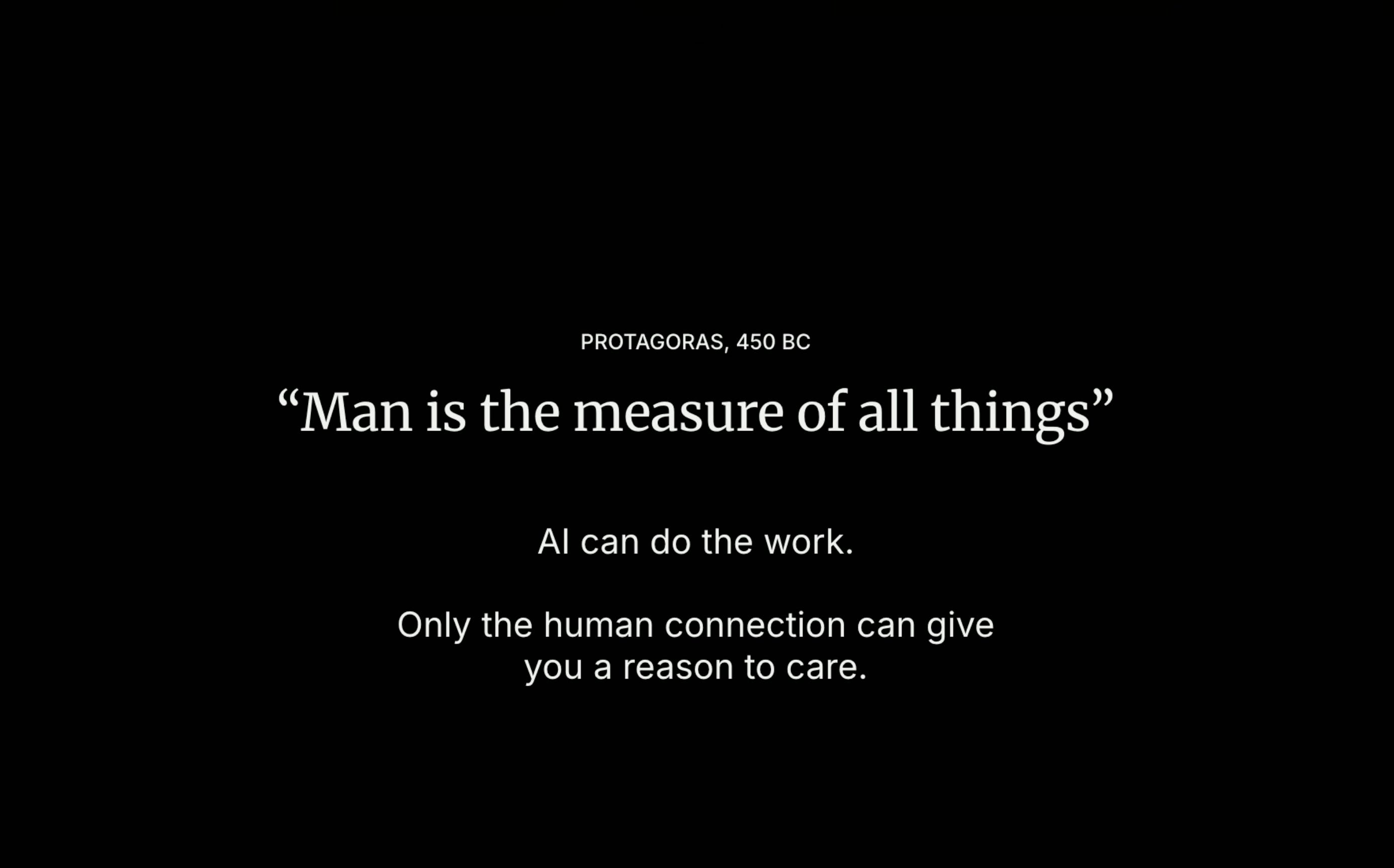
Buhler closes with a line from the Greek philosopher Protagoras, written twenty-five centuries ago: “man is the measure of all things.” His reading: nothing in a vacuum has value in itself. Not aluminum, not art, not intelligence.
Value is conferred by human experience and human meaning. AI can perform the work. AI will perform the work. But only human relationships and human attention supply the reason any of it matters.
A decade from now, in Buhler’s view, the substance of daily work will look unrecognizable compared to today.
What endures is the human side, the relationships formed during this transition, among builders, collaborators, and the communities that gather to make sense of moments like this one.
Three forces now define this cycle: a technology floor that moves weekly, an addressable opportunity roughly 10x larger than prior platform shifts, and a playbook that breaks from cloud and mobile precedent.
Hope this was valuable,
Cheers,
Guillermo