




Software AI was the warm-up.
The real prize is physical AI: models that can perceive, reason, and act in the real world. Once robots become reliable enough to do useful work in messy environments (homes, hospitals, warehouses, construction sites), they stop being “hardware” and become labor as an API.
Jensen Huang has been framing this as a step-change: a “ChatGPT moment for physical AI,” driven by new physical-AI models, simulation, and the full stack needed to train robots at scale.
And the NVIDIA roadmap is explicit: Isaac + GR00T blueprints, synthetic motion generation, simulation labs, open tooling. This is how you train “brains” for robots the way we trained LLMs.
Elon Musk’s parallel bet is simple: take the autonomy stack that made cars drive and put it into a humanoid body. The thesis is straightforward: humanoids can address labor shortages, and Tesla’s approach is fundamentally about data collection + training loops that compound.
What we’re breaking down in this newsletter
This newsletter includes:
Why robotics becomes the biggest opportunity of the next decade (and why it’s happening now)
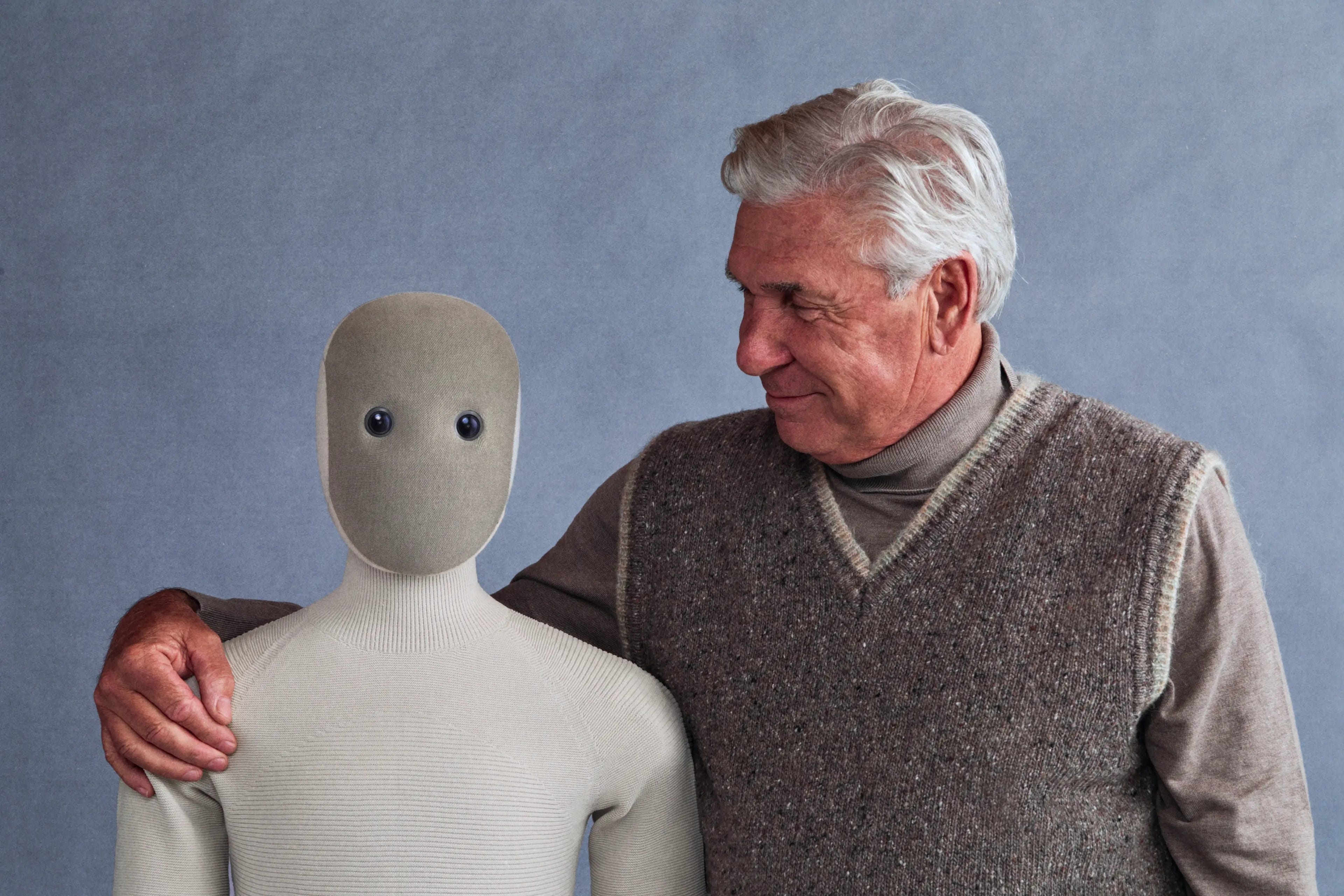
The 1X case study: why humanoids + teleoperation can unlock a massive global services economy
20 early-stage robotics startups to watch across humanoids, robot “brains,” logistics, and the picks-and-shovels layer
The Uber → Waymo → Robots analogy: how disruption compounds when you remove the human worker
How to profit from it: the realistic investing playbook (where the moats will be)
