


A few days ago, Jensen Huang put up a slide with more than 100 companies labeled “AI-native.”
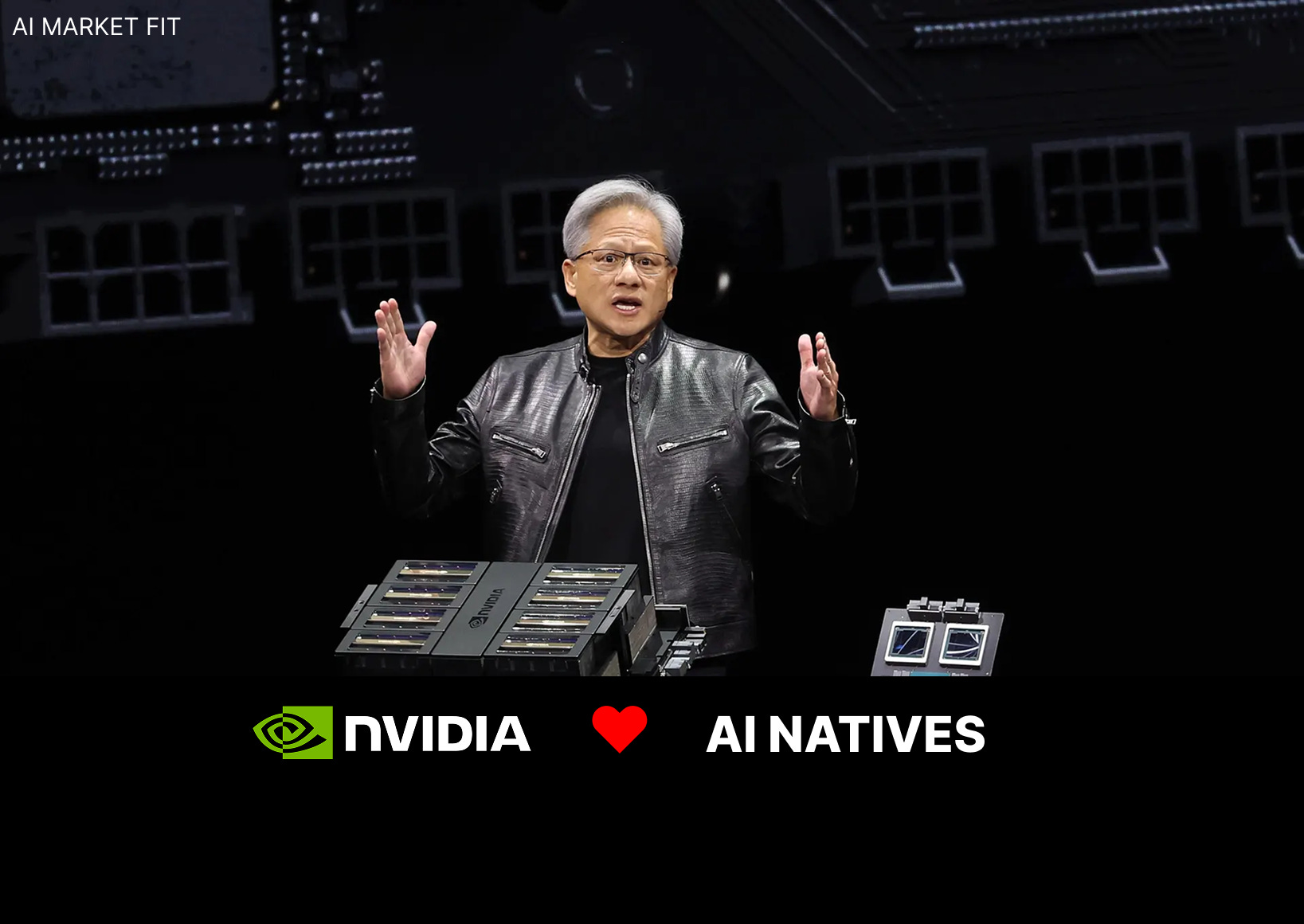
Most people glanced at it, recognized a few names, maybe saved a couple to check later and moved on.
That’s a mistake.
Because that slide is not just a list. It’s a blueprint of where value in AI is being built today and where it will be created next.
And if you don’t know how to read it, you’re just looking at logos.
If you do know how to read it, you start seeing:
where capital is concentrating
where new players can still emerge
and where the next category-defining companies will come from
What you’re about to get (and why it matters)
We didn’t just go through the list.
We rebuilt it from scratch.
We ignored Nvidia’s categories. And we asked a more useful question:
What role does each of these companies play in the AI economy?
That one shift changes everything. Because instead of a flat list, you get a map of the system. And once you see the system, you start seeing:
where value accumulates
where bottlenecks form
and where opportunities actually are
What you will get:
What AI-Native Companies Really Are and How to Spot the Real Ones
Why Nvidia’s map is misleading (if you read it wrong)
How to Reclassify the 103 AI Startups to See Where Value Actually Sits
The Definitive Reclassification of All 103 AI-Native Startups
The insight Nvidia didn’t spell out
The two areas you cannot afford to ignore
Most people stop at the list.
The real insight starts here.
From this point on, this is for subscribers only.
If you want to understand where value is actually being created and how to read signals like this properly you can subscribe here:
